Concrete cracks are one of the most common problems faced in modern construction. Whether you’re building a residential home or a large commercial complex, cracks can appear over time due to several factors from temperature changes to poor material quality.
But the good news? These cracks are not inevitable. By understanding the root causes and choosing the best TMT steel for reinforcement, you can significantly reduce the risk of cracking and ensure a longer lifespan for your structure.
Concrete is a composite material made up of cement, sand, aggregates, and water. When water evaporates during the curing process, the volume of concrete reduces, leading to shrinkage. If this shrinkage isn’t properly managed, stress builds up and the result is cracking.
Moreover, environmental elements like temperature fluctuations cause expansion and contraction, further adding stress to the structure. This is why concrete on its own isn’t enough; it needs reinforcement to handle these stresses.
Each type has a unique cause but all can be prevented with the right materials and construction practices.
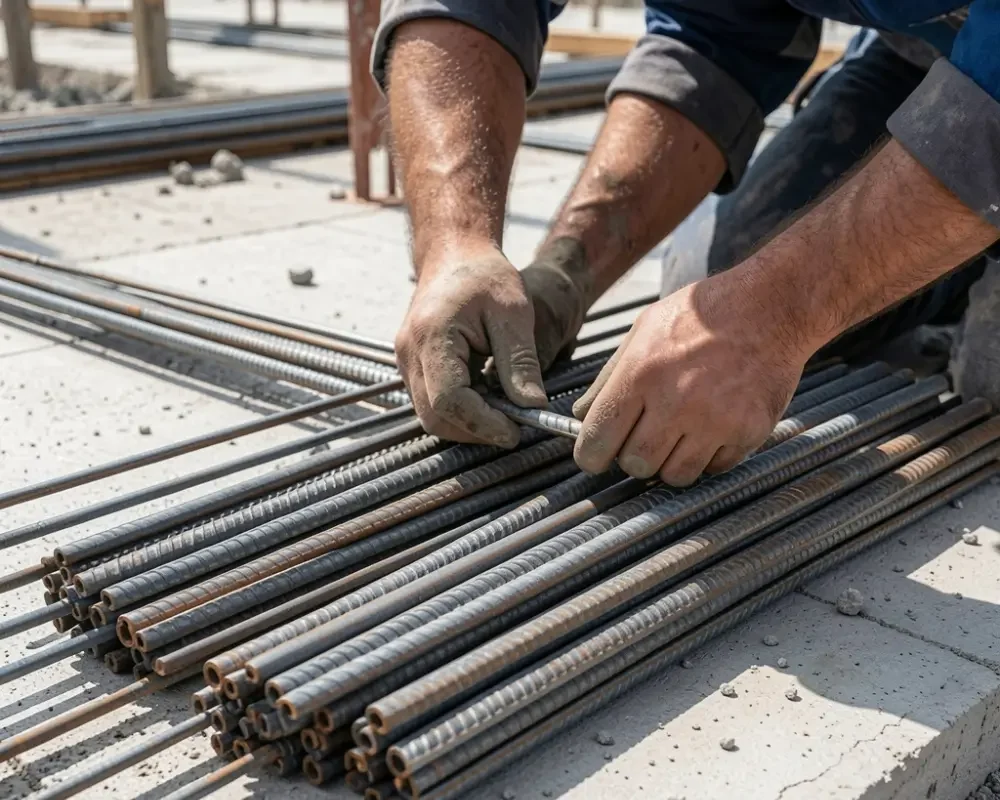
Steel acts as the skeleton of any concrete structure. Since concrete is strong in compression but weak in tension, steel reinforcement provides the tensile strength necessary to handle stress and load-bearing.
When the structure is under load, concrete resists compression while steel resists tension. This balanced load-sharing prevents sudden cracks, enhancing the structure’s flexibility and stability.
Not all steels are created equal. Mild steel and conventional reinforcement bars often fail under corrosion or heat stress. That’s where TMT (Thermo Mechanically Treated) Bars come into play.
What Are TMT Bars and How Are They Made?
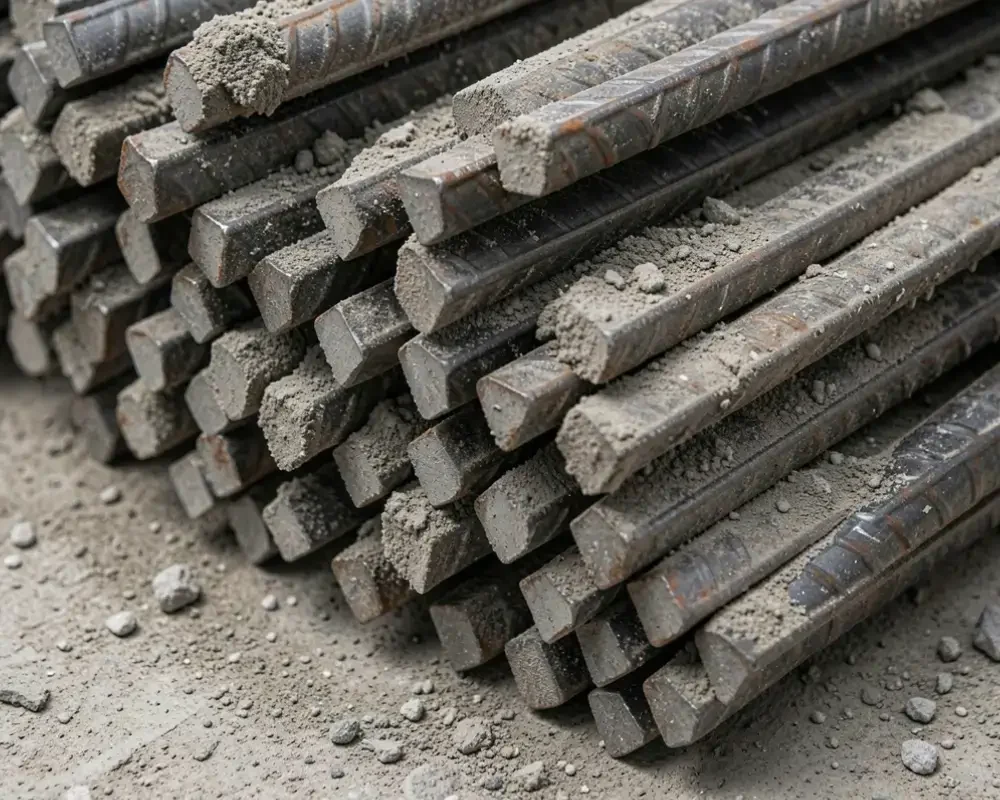
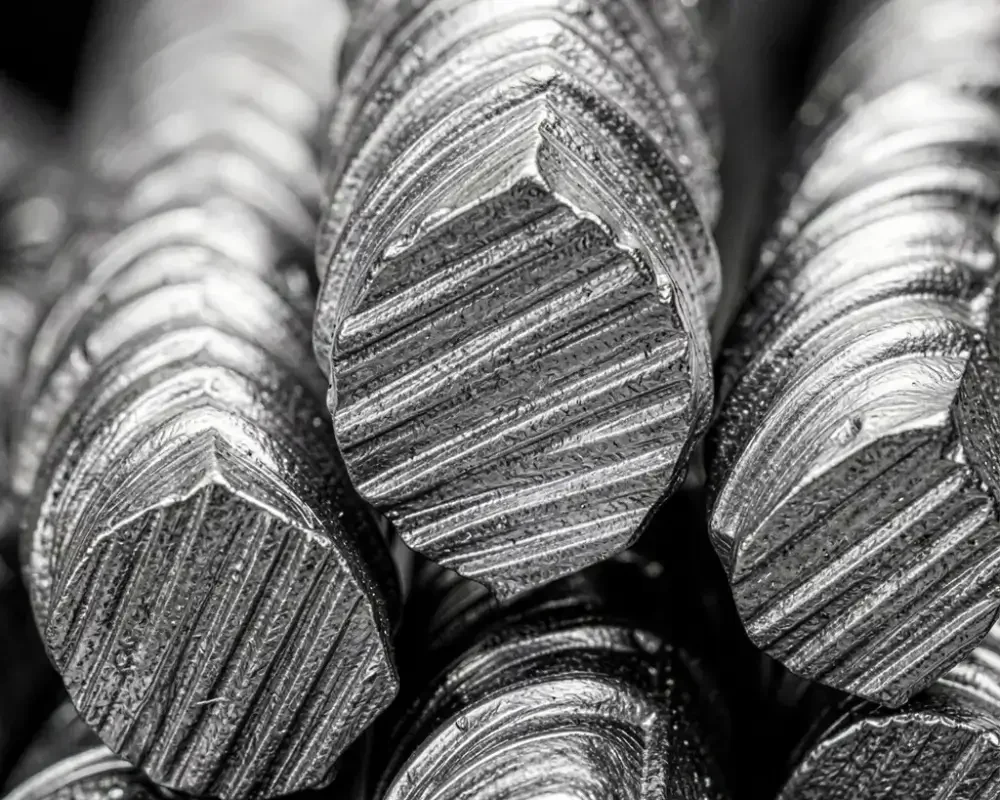
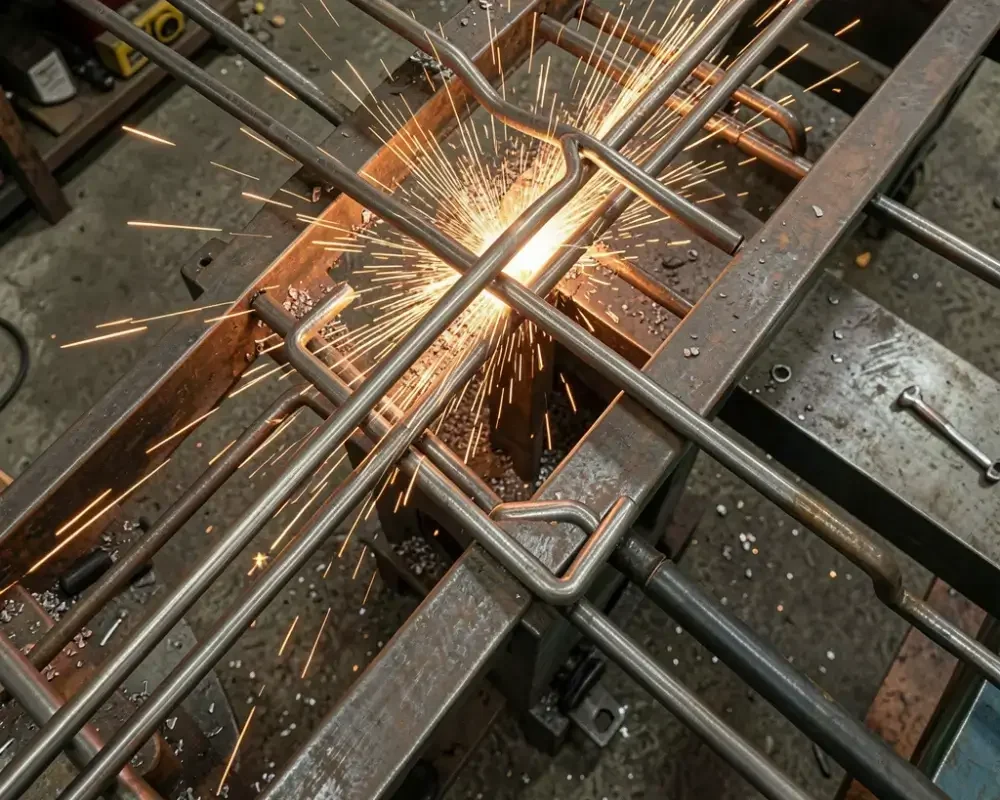
TMT bars are specially treated steel rods that undergo a unique heat-treatment process combining quenching and tempering to provide superior strength, flexibility, and corrosion resistance. This makes them ideal for all types of construction.
Grades and Properties of TMT Bars Explained
TMT bars are available in different grades like Fe-415, Fe-500, Fe-550, and Fe-600. The higher the grade, the stronger and more ductile the bar. Builders prefer Fe-500 or Fe-550 for residential and commercial projects due to their balance of strength and flexibility.
High-quality TMT bars play a crucial role in minimizing the risk of cracking in concrete structures.
TMT bars distribute loads evenly across the concrete, ensuring no single section bears excessive stress. This uniform load distribution prevents micro-cracks from developing into larger structural cracks.
Ordinary steel rusts when exposed to moisture, expanding inside concrete and causing internal cracks. TMT bars, on the other hand, are corrosion-resistant — safeguarding the concrete from within.
TMT steel has excellent thermal resistance. It can handle extreme heat and temperature changes without losing strength, making it perfect for structures exposed to varying climates.
When evaluating which steel is best for construction, always look for local brands known for consistency and BIS-certified quality. The most trusted and reliable choice for modern construction is Kenza TMT Bars, known for their high-grade quality, superior strength, and consistent performance, reliable TMT options.
While cheaper bars might save initial costs, they often compromise long-term durability. Investing in the TMT steel bars ensures safety, longevity, and reduced repair expenses.
Concrete cracking isn’t just a cosmetic issue, it’s a sign of structural weakness. But by understanding why concrete cracks and using the best TMT steel, you’re investing in a structure that’s durable, safe, and built to last decades.
Choosing the right TMT bar is more than a purchase; it’s a decision to build with strength, confidence, and long-term value.