Monsoon season brings life to parched land but for builders and site managers, it also brings a whole new set of challenges. Waterlogged foundations, rust-prone reinforcement, slippery scaffolding, and delayed timelines are just a few of the problems that creep in with the rains.
If you are currently building your home or managing a commercial site during the rainy season, this guide is written specifically for you. We have put together five practical, field-tested construction tips that will help you protect your investment, keep your workers safe, and ensure the quality of your structure stands strong for decades.
Whether you are a first-time homebuilder or a seasoned contractor, monsoon season construction safety must be your top priority not an afterthought.
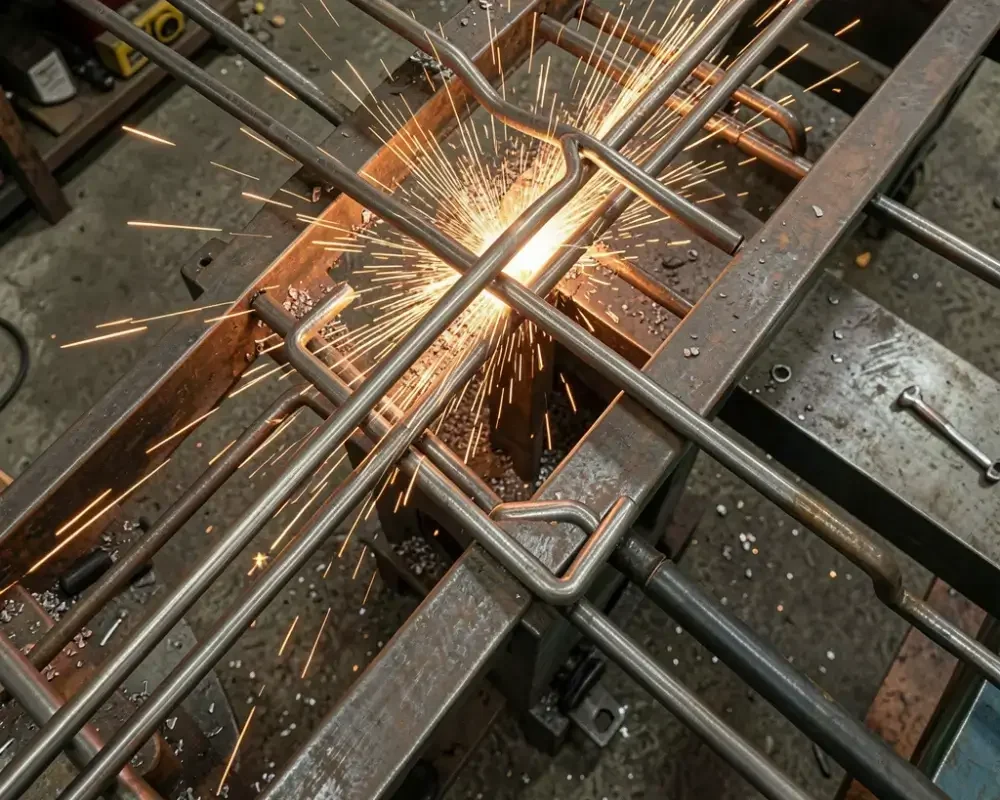
Here is something many people learn the hard way: not all steel performs equally when exposed to moisture. If you are building during or just before the monsoon, the steel you choose will directly impact how long your structure lasts.
Ordinary mild steel corrodes quickly when exposed to repeated cycles of rain and humidity. Once corrosion sets in, it silently weakens the bond between steel and concrete, a process that can compromise your entire structure without any visible warning signs on the surface.
This is exactly why engineers and structural experts recommend TMT steel bars (Thermo-Mechanically Treated steel) for construction, especially in high-moisture environments.
Pro Tip: When purchasing TMT steel bars, always check for IS 1786 certification. This Bureau of Indian Standards mark ensures the bars meet national quality standards for strength, ductility, and safety.
Choosing the best steel for construction is not about selecting the cheapest option. It is about selecting the right material that protects your structure for years to come.
The foundation is the backbone of any building. During the monsoon season, it faces the most pressure from groundwater and soil moisture.
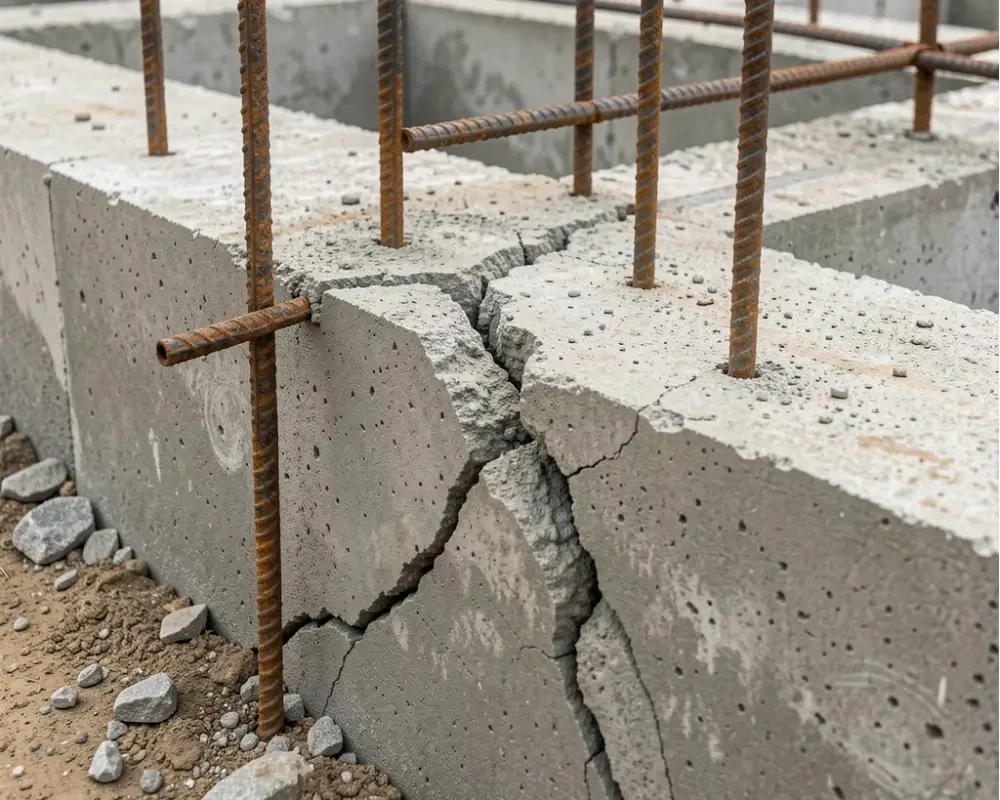
Water can seep into small cracks, weaken the surrounding soil, and create structural pressure on foundation walls. Ignoring foundation waterproofing is one of the most costly mistakes builders make.
Rain immediately after concrete placement can weaken the mix. Fresh concrete needs time to gain strength, and rainwater may dilute the cement paste or wash away the surface layer.
Always keep waterproof sheets or tarpaulins ready to cover freshly poured concrete if unexpected rainfall occurs.
Poor site drainage is responsible for more monsoon-related construction delays than almost any other factor. A construction site without proper water management quickly turns into a muddy, unsafe workspace.
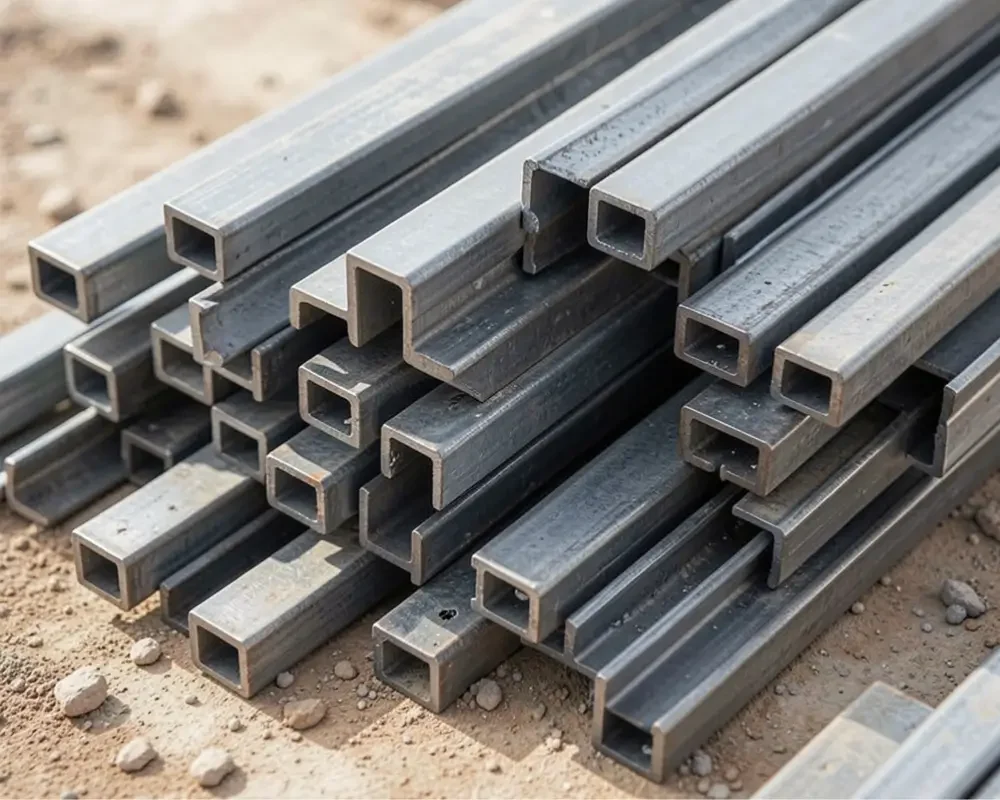
Your TMT steel bars represent a major structural investment. Improper storage during the monsoon can lead to surface rust and reduced material quality. Always store steel above ground level with protective coverings.
Monsoon season construction safety is not just a legal requirement it is essential for protecting workers and maintaining smooth construction progress.
Wet surfaces, electrical hazards, and reduced visibility increase the risk of accidents on construction sites.
If you are using high-quality TMT steel bars in reinforced concrete structures, you have already taken an important step toward improving structural safety.
Monsoon season often disrupts supply chains. Flooded roads and transportation delays can cause material shortages at critical construction stages.
Smart builders plan material procurement early to avoid last-minute compromises.
When construction materials arrive during the rainy season, inspect them carefully.
| Area | Key Action |
| Steel Selection | Use IS 1786 certified TMT steel bars |
| Foundation Protection | Apply waterproof membranes |
| Site Drainage | Create drainage channels and keep pumps ready |
| Worker Safety | Use anti-skid footwear and follow electrical safety |
| Material Storage | Store cement and steel above ground level |
The monsoon season does not have to halt construction progress. With proper planning, high-quality materials, and disciplined safety practices, projects can continue smoothly even during heavy rainfall.
Choosing the best steel for construction, ensuring proper drainage, and following strict monsoon season construction safety measures will significantly improve the durability and safety of any structure.
Among all construction decisions, the quality of reinforcement steel remains one of the most critical. Using reliable TMT steel bars provides the corrosion resistance, strength, and flexibility required for buildings exposed to challenging weather conditions.
Consulting a qualified structural engineer before selecting the grade and brand of steel can help ensure your building remains strong and secure for decades.