Steel is used in construction in different forms, from reinforcement bars to smaller wire products. Among these, mild steel wire, commonly known as MS wire, plays an important role in several construction and industrial applications.
Whether it is used to manufacture wire mesh, fencing materials, binding wire or other fabricated products, MS wire offers useful properties for applications that require steel in wire form.
However, not all MS wires are manufactured for the same purpose. Their diameter, tensile strength, flexibility and surface finish can vary depending on the intended application.
So, what is MS wire, where is it commonly used in construction, and how do you choose the right one?
Let’s explore its properties, applications and the important factors to consider before selecting MS wire.
MS wire is a steel wire manufactured from mild steel, which generally contains a relatively low percentage of carbon compared with high-carbon steel.
It is produced by drawing steel through a series of dies to reduce its diameter and achieve the required dimensions. Depending on the manufacturing process and intended application, MS wire can be supplied in different diameters, specifications and surface finishes.
One of its important characteristics is workability. Depending on its grade and manufacturing condition, mild steel wire can be cut, bent, twisted and shaped for various applications.
This makes it useful in construction, fabrication and manufacturing industries.
The properties of mild steel wire depend on its chemical composition, diameter and manufacturing process. However, several characteristics make it suitable for general construction and industrial applications.
MS wire is generally suitable for applications that involve bending, cutting, twisting and forming. Its workability makes it useful for manufacturing different wire-based products.
Ductility refers to a material’s ability to deform before breaking. Mild steel wire can offer suitable ductility for applications involving bending and forming, depending on its grade and specifications.
MS wire is available in different diameters and specifications. This allows manufacturers and fabricators to select suitable wire for different construction and industrial requirements.
Mild steel wire provides mechanical strength for several general-purpose applications. However, its tensile strength varies according to the manufacturing process and product specification.
MS wire can be processed into products such as wire mesh, fencing materials, binding wire and certain hardware components. Its suitability depends on the required dimensions and mechanical properties.
MS wire has several applications in the construction industry. It is used directly in certain site activities and also serves as a raw material for manufacturing construction-related products.
One of the common uses of mild steel wire is the production of binding wire.
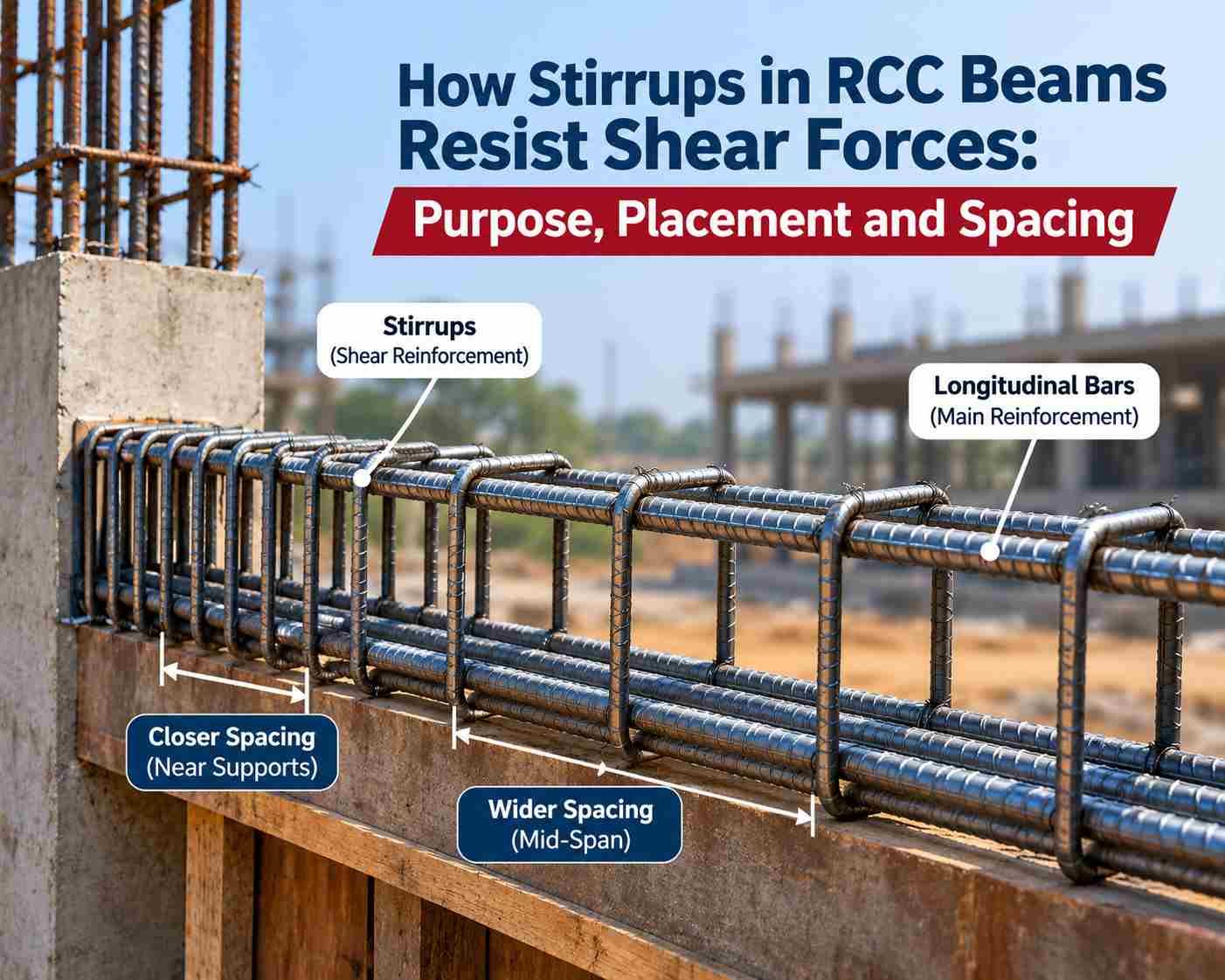
Binding wire is used to tie reinforcement bars at their intersections during RCC construction. It helps hold the reinforcement bars in their specified positions before and during concrete placement.
For this application, the wire must have suitable flexibility and workability for tying. Buyers should distinguish between general-purpose MS wire and finished binding wire, as their specifications and intended uses may differ.
MS wire is used to manufacture different types of wire mesh by arranging individual wires in a regular pattern.
Depending on the design and specifications, wire mesh can be used for fencing, partitions, protective enclosures and other construction applications.
The wire diameter, mesh spacing and mechanical properties influence the performance and suitability of the finished product.
Mild steel wire is used in the production of fencing materials for residential, commercial, agricultural and industrial properties.
It can be processed into different fencing products, including welded mesh panels and other wire-based fencing arrangements.
For outdoor applications, surface finish and corrosion protection are important considerations. Galvanised or appropriately coated wire may be preferred where exposure to moisture and weather is expected.
MS wire can serve as a raw material for manufacturing certain types of nails and other fasteners.
During production, the wire is cut, shaped and processed according to the required dimensions and mechanical properties.
However, not every MS wire specification is suitable for every type of fastener. The material must meet the relevant manufacturing requirements.
MS wire is also used in fabrication processes where steel wire needs to be cut, bent or formed into specific components.
Its applications depend on the required diameter, mechanical properties and surface condition.
Apart from construction, MS wire is used in several manufacturing and industrial sectors.
Some common examples include:
The suitability of MS wire depends on the specific application. Products requiring high tensile strength, fatigue resistance or specialised mechanical properties may need a different steel grade.
Choosing the right MS wire involves more than checking its price or appearance. Its dimensions and mechanical properties should match the intended application.
Here are five important factors to consider when selecting MS wire.
Wire diameter refers to the thickness of the wire, usually measured in millimetres.
Different applications require different diameters. For example, wire used for mesh manufacturing may have different dimensional requirements from wire intended for binding or fabrication.
Always check the specified diameter before purchasing.
Tensile strength indicates the maximum tensile stress a material can withstand before breaking.
The required tensile strength depends on how the wire will be used. Buyers should check the manufacturer’s specifications and ensure that the wire meets the requirements of the intended application.
Applications involving bending, twisting or forming require wire with suitable ductility.
If the wire is too brittle for the intended process, it may crack or break during fabrication. Selecting a suitable grade and manufacturing condition helps reduce this risk.
The surface condition of MS wire can influence its suitability for different environments.
Uncoated mild steel can corrode when exposed to moisture and oxygen. For outdoor or moisture-prone applications, galvanised or otherwise protected wire may be more appropriate.
The required level of corrosion protection should be based on the operating environment and expected service conditions.
Consistent diameter, suitable mechanical properties and a reliable manufacturing process are important when selecting MS wire.
Before purchasing, review the product specifications, applicable quality requirements and test documentation where relevant.
Choosing wire based on its intended use helps ensure that the material is suitable for the required construction or manufacturing process.
Not all steel wires have the same composition or properties. Mild steel wire is one category, while other steel wires may be manufactured with different carbon contents, alloying elements or surface treatments.
| Feature | MS Wire | Other Steel Wires |
| Material composition | Generally low-carbon steel | May contain higher carbon or alloying elements |
| Workability | Generally suitable for bending and forming | Depends on grade and manufacturing condition |
| Strength | Varies by specification | Can be designed for higher or specialised strength requirements |
| Common applications | General fabrication, mesh and selected construction uses | Springs, high-strength cables and specialised industrial products |
| Selection | Based on general application requirements | Based on specific mechanical and performance requirements |
For example, high-carbon steel wire is commonly used in applications that require higher tensile strength, such as certain spring and wire-rope products. MS wire is generally selected for applications where its workability and specified strength are suitable.
The right choice depends on the product being manufactured and the performance expected from it.
The quality of MS wire influences how reliably it performs during processing and in its intended application.
Inconsistent wire diameter can create difficulties during fabrication. Unsuitable mechanical properties may cause problems during bending or forming. Poor surface condition can also increase corrosion concerns, particularly in exposed environments.
Before selecting MS wire, consider the following:
These checks help buyers select a product that meets their actual requirements instead of choosing solely based on price.
MS wire plays an important role in construction and manufacturing, from producing binding wire and wire mesh to fencing and various fabricated products. Its versatility and workability make it a useful material across different applications.
However, choosing the right MS wire requires more than considering its availability or price. Factors such as wire diameter, tensile strength, ductility and surface finish should match the specific requirements of the application.
At Kenza TMT, we recognise that the quality of steel products contributes to reliable construction and manufacturing practices. Selecting the right MS wire, backed by consistent quality and suitable specifications, helps ensure better results across different applications.
Ultimately, understanding the requirements of your project is the first step towards making the right material choice.