Every building tells a story. From the outside, we notice the design, the paint, and the finish. But the real strength of a structure lies deep inside, in the materials that quietly hold everything together. Among these, steel reinforcement plays the most critical role.
When people begin construction, they rarely think deeply about steel. Most decisions are driven by budget or availability. Yet, experienced engineers approach it differently. They understand that the choice of steel directly affects the safety, durability, and lifespan of a building.
This is where the confusion between TMT and QST bars often begins. Many buyers assume they are simply different types of steel with minor variations. In reality, the difference between TMT and QST bars can influence how a building performs over time.
If you are planning any kind of construction, understanding this difference is not optional. It is essential. Choosing the best TMT bars is not just about quality it is about building with confidence.
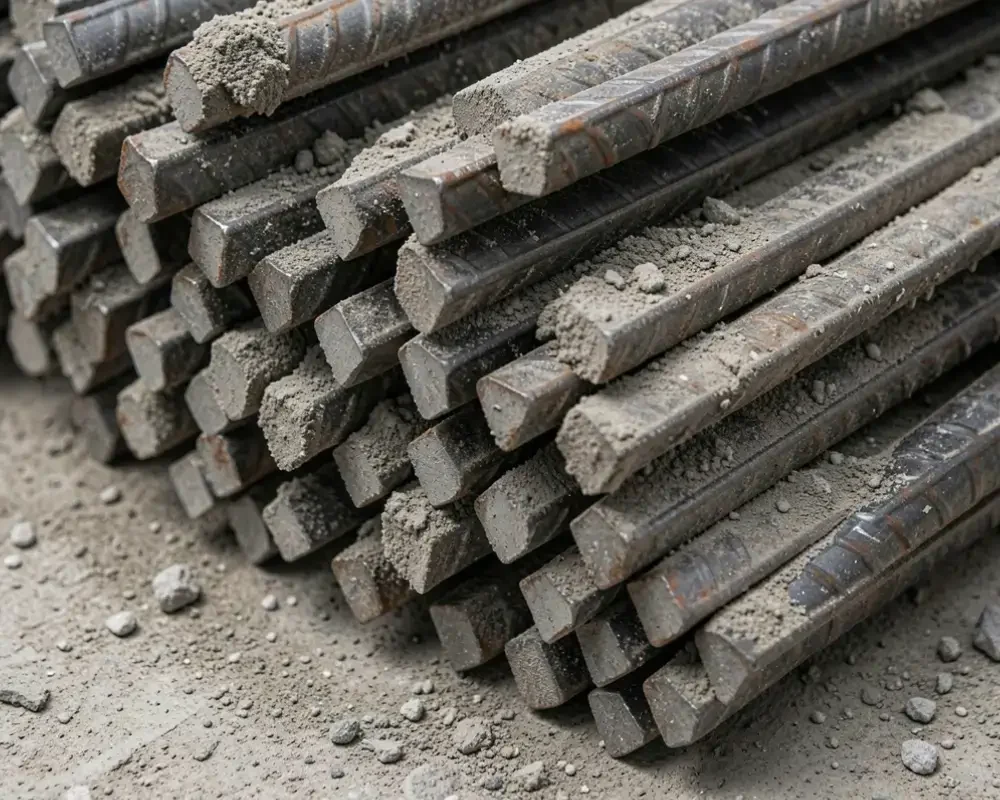
TMT bars, known as Thermo-Mechanically Treated bars, have become the backbone of modern construction for a reason. They are designed not just to be strong, but to behave intelligently under pressure.
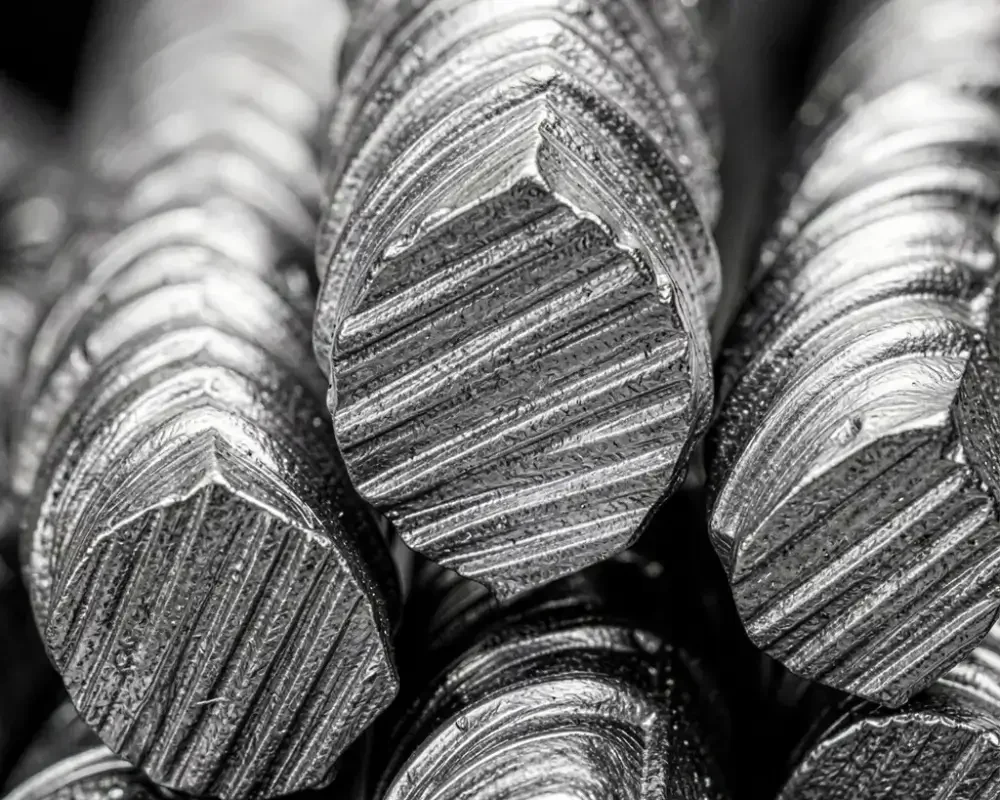
The way TMT bars are manufactured gives them a unique advantage. When the hot steel is processed, its outer surface is cooled rapidly while the inner core remains warm. This controlled transformation creates a structure where the outer layer becomes tough and resistant, while the inner core stays soft and flexible.
This combination is what makes TMT bars so reliable. In real-world conditions, buildings are not static. They expand, contract, and respond to environmental forces. A rigid material may crack under such conditions, but a material that can adapt without losing strength provides better safety.
This is why engineers consistently recommend the best TMT bars. They do not just support the structure; they protect it from unexpected stress. Over time, this flexibility reduces the chances of cracks and structural fatigue.
Another important aspect is resistance to corrosion. In regions with high humidity, steel can deteriorate faster if it is not properly treated. High-quality TMT bars are designed to withstand such environments, ensuring that the internal structure remains intact for years.
QST bars, or Quenched and Self-Tempered bars, are often discussed alongside TMT bars, which leads many people to believe they are entirely separate products. However, the truth is more subtle.
QST is not a completely different type of steel bar. It is actually a stage within the manufacturing process used to create TMT bars. During this stage, the steel undergoes rapid cooling followed by self-tempering, which contributes to its surface hardness.
The confusion arises because not all steel marketed as QST undergoes the full thermo-mechanical treatment that defines high-quality TMT bars. As a result, there can be differences in consistency and performance.
In practical terms, this means that while QST-treated bars may have certain strength characteristics, they may not always achieve the same balance of strength and flexibility found in properly manufactured TMT bars.
Understanding this distinction helps avoid a common mistake. Many buyers focus on terminology without considering the complete manufacturing process. What truly matters is not just the label, but how the steel behaves over time.
When comparing the difference between TMT and QST bars, it is important to move beyond technical definitions and focus on how they perform in actual construction.
TMT bars are designed to provide consistent performance under varying conditions. Their ability to bend without breaking makes them particularly valuable in situations where structures may experience movement or stress. This characteristic plays a crucial role in maintaining structural integrity.
QST bars, depending on how they are produced, may not always offer the same level of uniformity. While they can provide adequate strength, their performance may vary, especially when subjected to complex stress conditions.
Durability is another important factor. Over time, exposure to moisture and environmental elements can affect steel. The best TMT bars are manufactured to resist such challenges, helping to maintain the strength of the structure over the long term.
This is why the difference between TMT and QST bars is not just a matter of classification. It is a matter of reliability, safety, and long-term performance.
Let’s make it simple and practical.
| Feature | TMT Bars | QST Bars |
| Manufacturing | Advanced thermo-mechanical process | Basic quenching & tempering |
| Strength | High and uniform | Moderate |
| Flexibility | Excellent | Limited |
| Earthquake Resistance | Very high | Lower |
| Corrosion Resistance | Strong | Moderate |
| Usage | Modern construction | Limited use |
Choosing between TMT and QST bars becomes easier when you look at real-world applications. Modern construction practices overwhelmingly favor TMT bars because they provide a more complete solution.
For residential buildings, where long-term safety and durability are essential, TMT bars offer peace of mind. They are capable of handling daily stress as well as unexpected forces without compromising structural stability.
In larger projects, consistency becomes even more critical. Engineers rely on materials that perform predictably. TMT bars meet this requirement, making them a trusted choice across the industry.
When you evaluate TMT and QST bars from a practical standpoint, the decision is not about choosing between two equal options. It is about selecting a material that aligns with modern construction standards and expectations.
Selecting the right TMT bars is not about making a quick decision. It requires a thoughtful approach that considers both quality and suitability.
The grade of the bar is one of the first things to consider. It indicates the strength level and helps determine whether the bar is suitable for a particular type of construction. For most residential projects, a balanced grade provides both strength and flexibility.
Certification is another important aspect. Standards exist to ensure that materials meet specific safety and performance criteria. Checking for recognized certifications adds a layer of assurance that the steel has been properly tested.
Beyond technical specifications, physical quality also matters. A well-manufactured TMT bar will have a consistent appearance and proper structure. These visible details often reflect the overall quality of the product.
Choosing a reliable supplier further strengthens your decision. Trusted sources are more likely to provide materials that meet expected standards, reducing the risk of future issues.
What is the difference between TMT and QST bars?
TMT bars are fully processed for strength and flexibility, while QST refers to a stage within that process.
Which is better for construction?
TMT bars are generally the better and more reliable choice.
Are QST bars still used?
Yes, but TMT bars are more common in modern construction.
Do TMT bars resist corrosion?
High-quality TMT bars offer strong resistance to corrosion.
How do I choose the Best TMT bars?
Focus on grade, certification, and overall quality.
Is TMT steel expensive?
It offers better long-term value, even if the initial cost is slightly higher.
Construction is more than just a process. It is a commitment to safety, durability, and long-term value. Understanding the difference between TMT and QST bars allows you to make decisions based on knowledge rather than assumptions. It helps you move beyond confusion and focus on what truly matters.
When all factors are considered, the choice becomes clear. The best TMT bars provide the strength, flexibility, and reliability needed to build structures that last. In the end, a strong building is not just about what you see. It is about what you choose to trust beneath the surface.