Steel is the backbone of modern construction. From independent houses to large commercial projects, the durability of a structure depends heavily on the quality of steel used and how it is handled on-site. Yet, one of the most common and costly problems faced at construction sites is steel rusting before use.
Rust is not just a cosmetic issue. When steel corrodes, its strength reduces, bonding with concrete weakens, and long-term structural safety is compromised. Understanding why steel rusts at construction sites and knowing how to avoid rust on steel effectively is critical for builders, engineers, and homeowners who want durable and safe buildings.
Rusting is a natural chemical reaction, but construction sites create the perfect environment for it to accelerate.
Steel reacts with oxygen in the presence of moisture. At construction sites, steel bars are often exposed to rain, groundwater, humidity, and even overnight dew. In coastal and high-humidity regions, corrosion starts much faster than most people expect.
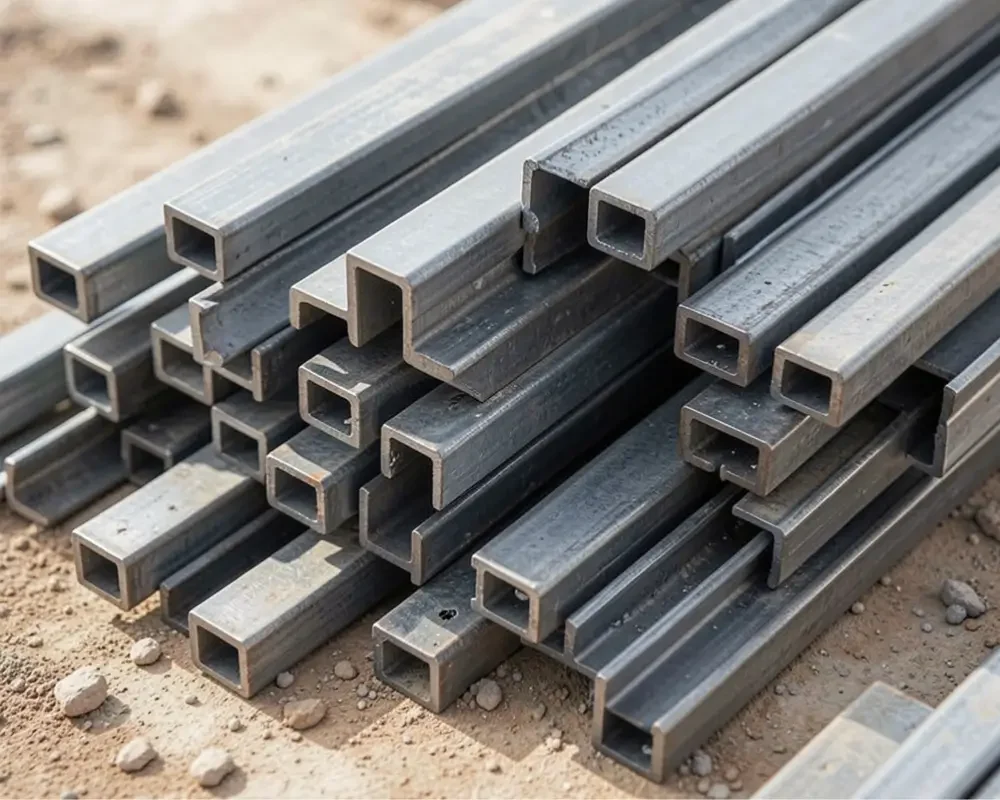
One of the biggest mistakes on Indian construction sites is storing steel bars directly on bare soil. Ground moisture transfers to the steel, initiating corrosion from the underside often unnoticed until concrete work begins.
Many projects procure steel in bulk and store it for weeks or months. Without proper protection, even the best TMT steels will begin to develop surface rust when left unused in open conditions.
Not all steel is created equal. Inferior steel lacks proper chemical balance and protective layers, making it more vulnerable to rust. This is where the question which steel is best for construction becomes critical.
Here’s the hard truth: not all rust is acceptable.
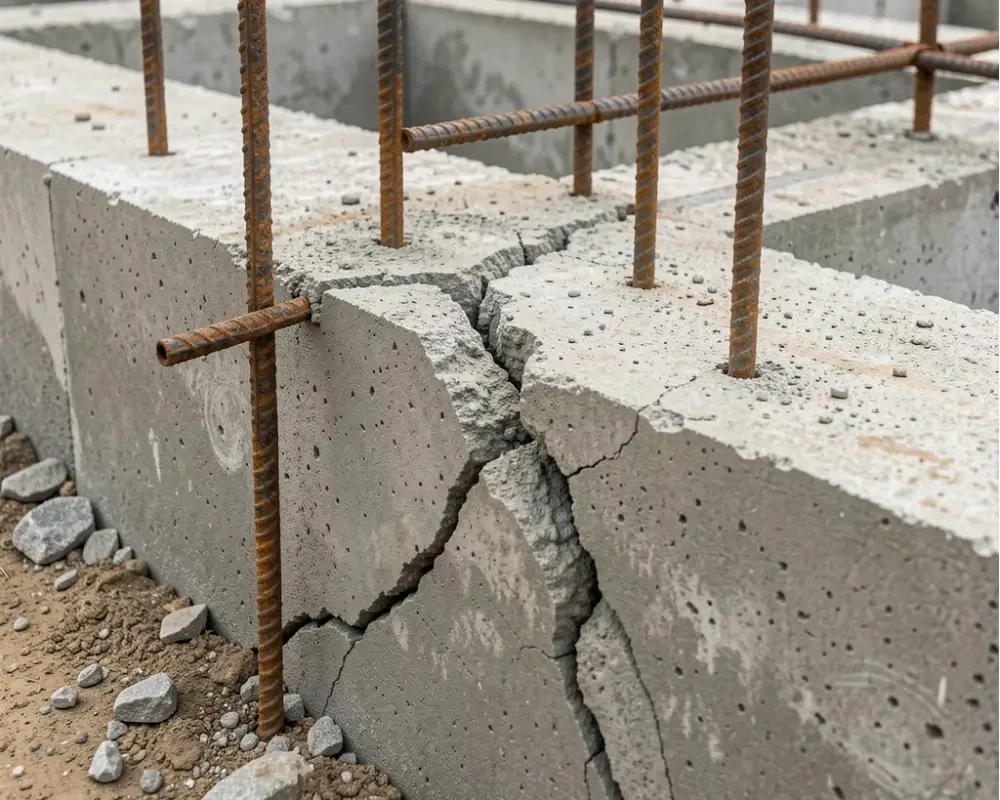
Light surface rust may not immediately weaken steel, but it indicates exposure and poor handling. Over time, corrosion reduces the effective diameter of steel bars, lowering load-bearing capacity. More importantly, rusted steel develops poor bonding with concrete, which can lead to cracks, spalling, and reduced lifespan of the structure.
If you’re serious about long-term durability, rust prevention is not optional, it’s essential.
Preventing rust is far cheaper and smarter than dealing with repairs later. These methods are practical, proven, and actually used by experienced builders.
Steel should always be stored on raised wooden or concrete platforms, never directly on the ground. Covering steel with waterproof sheets while allowing ventilation prevents moisture trapping, which is a common mistake.
Buy steel closer to the construction phase where it will be used. Shorter exposure equals lower corrosion risk. This is especially important during monsoon and winter months when humidity remains high.
Water stagnation around steel stacks dramatically increases rust formation. A well-drained site protects not just steel, but the entire construction process.
This is where material choice makes a real difference. High-quality TMT bars with advanced manufacturing processes offer better resistance against corrosion due to their uniform microstructure and protective oxide layers.
This question directly impacts safety, cost, and peace of mind.
The best steel for construction is not simply the cheapest or most popular brand. It is steel that:
Premium manufacturers invest in quality control, controlled cooling, and advanced rolling technology to ensure durability even in challenging site conditions.
Builders increasingly prefer trusted brands like Kenza TMT Bars because they are designed to perform reliably in Indian climatic conditions, including high humidity zones. Choosing such steel significantly reduces rust-related issues and enhances structural life.
Using the best TMT steels is not about brand value — it’s about engineering reliability.
High-quality TMT bars offer:
While the initial price may be slightly higher, the long-term savings from reduced repairs, improved safety, and longer building life make it a smarter investment.
Many construction failures don’t happen overnight. They start with small compromises, poor storage, low-grade steel, rushed decisions. Rusted steel silently weakens structures, leading to expensive repairs years later or, worse, safety risks.
If you’re building a home or managing a project, rust prevention is not an “extra step.” It’s a responsibility.
Steel rusting at construction sites is preventable. With proper handling, informed material selection, and basic site discipline, corrosion can be minimized effectively. More importantly, choosing the right steel for construction ensures that your structure stands strong for decades, not just years.
Smart builders don’t just ask about price, they ask about performance, durability, and trust. And that mindset is what separates ordinary buildings from truly reliable ones.