In the world of construction, every material plays a role, but few are as vital as cement and TMT bars. These two materials work together like the bones and muscles of a human body, each one supporting the other to create a structure that stands strong for decades. Yet, many homeowners make a common mistake: they focus only on buying good-quality steel but overlook the importance of cement quality. What they don’t realize is that even the highest tmt bar with highest strength cannot deliver peak performance if the cement used around it is weak, expired, or improperly stored. The true strength of a building is not just in the steel bars or in the cement but in how both materials bond and behave together under load.
Cement is the core binding material that holds sand, aggregates, and TMT bars together. If the cement is weak, contaminated, or compromised, the entire structural framework becomes vulnerable. Poor cement leads to weak concrete, which in turn cannot transfer stress efficiently, causing TMT bars to underperform. This weakness isn’t always visible right away; often, the real problems appear months or years after construction is completed. Cracks, dampness, reduced durability, and unexpected structural failures are all silent indicators that the cement used was not of the quality required for reliable construction.
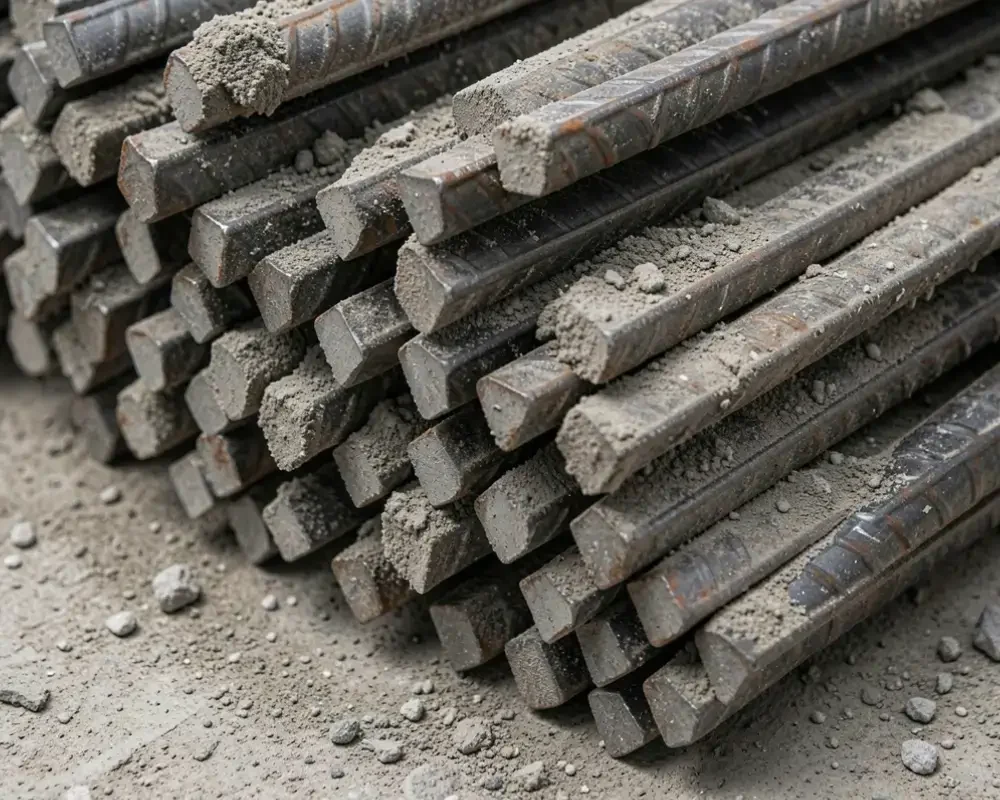
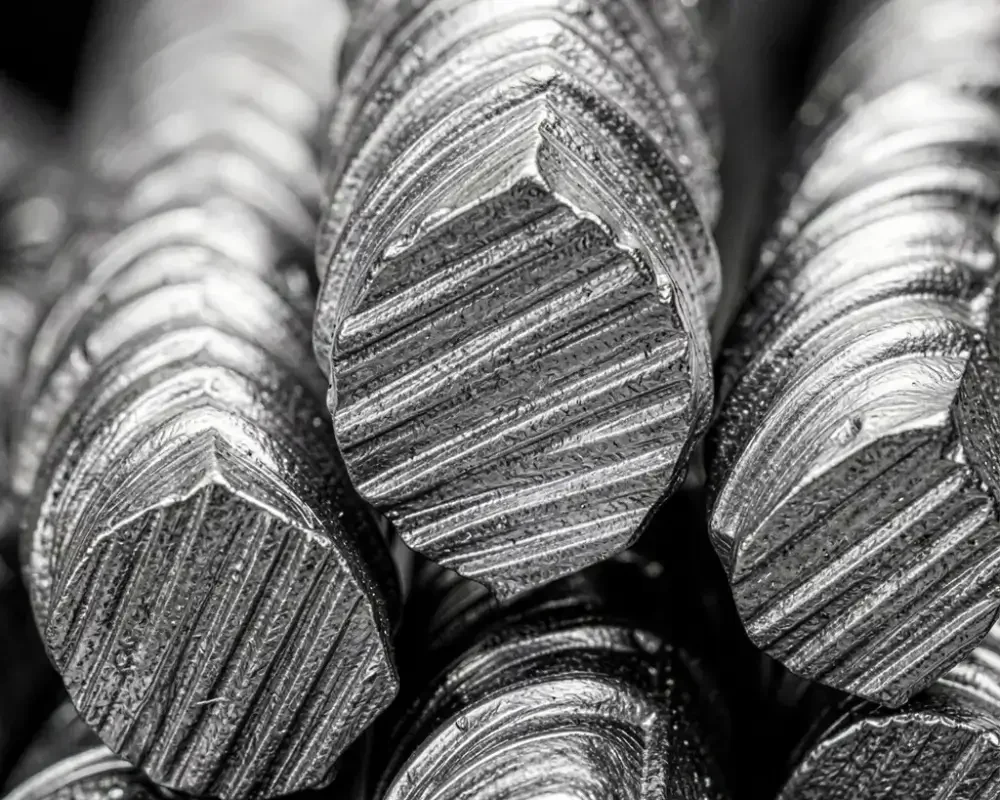
TMT bars are designed to carry heavy loads, resist bending, and provide flexibility during natural events like earthquakes. Their ribbed design ensures strong anchorage inside concrete. But this anchorage becomes useless if the cement around the steel bar doesn’t set properly. Concrete is meant to act as a protective shell around TMT bars. When cement fails, the shell cracks, the grip loosens, and the steel no longer performs the way it was engineered to.
The best tmt bars for house construction such as Fe500D or Fe550D are strong only when they are supported by equally strong concrete. The relationship between cement and TMT bars is similar to that of ink and paper: both are required to make something meaningful. One without the other simply cannot function as intended.
When cement is weak, it fails in its most important job: bonding. Bonding is what allows concrete to hold steel in place and what gives reinforced structures their remarkable strength. Poor bonding occurs when cement cannot properly envelop the TMT bars, leaving gaps or loose areas. This causes internal slipping whenever a load or vibration occurs. The result is reduced load transfer, compromised tensile performance, and an increased risk of cracks.
Corrosion is one of the most dangerous consequences of poor cement quality. High-quality cement creates an alkaline environment that prevents rusting. But weak cement becomes porous, allowing water and air to penetrate. Once moisture reaches TMT bars, corrosion starts. Rusted steel expands, cracking the surrounding concrete. Over time, the structure begins to deteriorate internally long before visible symptoms appear.
This hidden danger often goes unnoticed during construction because corrosion takes time. But once it begins, the damage can be irreversible without major repairs.
Many homeowners proudly select premium steel grades, believing that this alone guarantees a strong building. While good steel is essential, steel alone cannot carry the weight of an entire home. Even the strongest tmt bar becomes irrelevant if the cement holding the steel lacks quality. Construction is a chain, and the chain is only as strong as its weakest link. To achieve durable, safe structures, both materials must complement each other.
Weak cement affects not just the initial construction but the building’s lifespan. When cement is poor, the concrete becomes prone to shrinkage, cracking, and water ingress. Over time, this leads to structural fatigue. Beams begin to sag, slabs develop hairline cracks, and columns lose stiffness. Even the daily thermal expansion and contraction of concrete becomes a hazard when cement quality is low.
Across many construction sites in India, failures have been observed due to compromised cement. In some cases, cement bags were stored on damp floors, leading to moisture absorption. In others, expired cement was unknowingly used for foundations. Many failures involved the wrong water cement ratio, turning concrete weak and brittle. These issues resulted in cracked roofs, unstable columns, and large repair expenses that could have been avoided with proper material selection and testing.
Homeowners play a bigger role than they realize. They don’t need technical expertise; simple checks can prevent massive structural problems. Always inspect cement bags for manufacturing dates, store them off the ground on wooden pallets, and ensure no lumps are present. Conducting basic field tests and hiring skilled supervisors ensures concrete mixes remain accurate. Good cement practices lead to stronger structures, safer living, and lower lifetime maintenance costs.
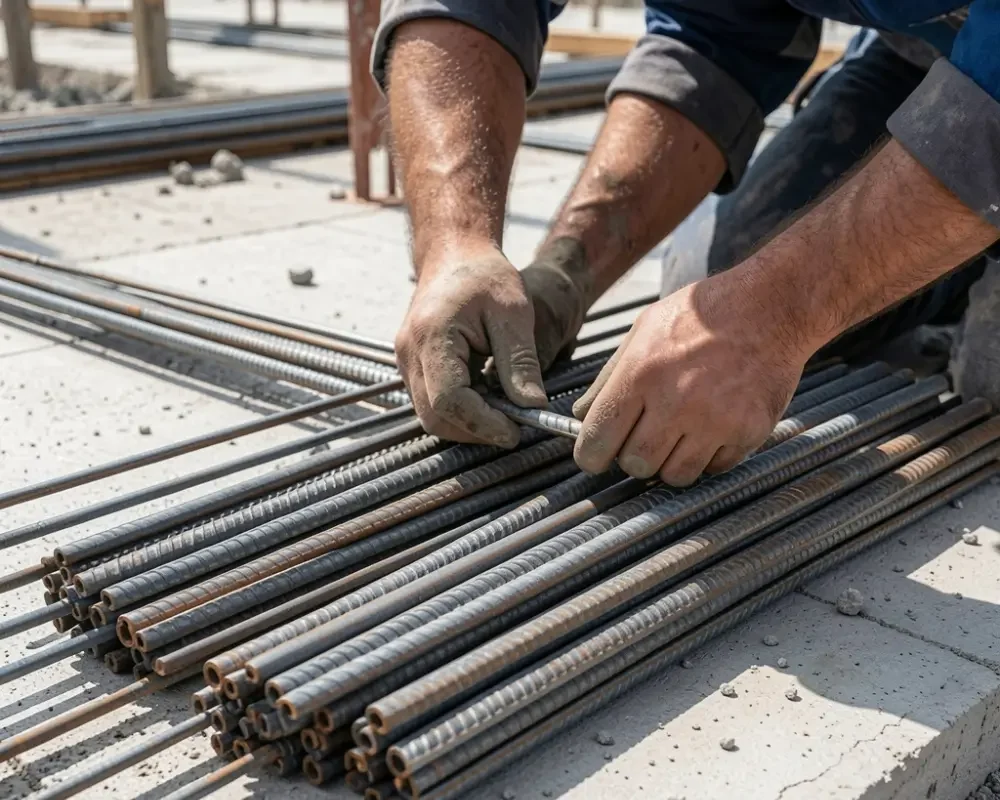
Engineers ensure that every material used in the structure meets the required standards. They test cement strength, monitor concrete mixing, check the condition of TMT bars, and supervise curing. Their expertise ensures that the combination of cement and steel performs exactly the way it should. Skipping technical supervision to save money is one of the biggest mistakes homeowners make and often the costliest in the long run.
The partnership between cement and TMT bars decides whether a building stands strong or fails early. Poor cement quality quietly weakens bonding, reduces tmt bar strength, and compromises durability. Even the best tmt bars for house construction cannot deliver safety unless they are supported by high-quality cement. A strong home begins with strong materials; both steel and cement must be chosen wisely, stored properly, and used under skilled supervision.
In Kerala’s challenging climate, it’s important to choose materials that can resist moisture and corrosion. That’s why many builders look for the best TMT bar manufacturers in Kerala, and brands like Kenza TMT Bars are often preferred for their strength and reliability. When high-quality cement is paired with trusted TMT bars like these, your home becomes safer, sturdier, and better prepared for the future.