If you are planning a house, apartment, or commercial project in 2026, understanding the TMT bar GST rate is not just a tax detail it is a smart financial decision. TMT bars form the backbone of reinforced concrete structures, and even small tax variations can influence project budgeting, vendor selection, and long-term durability.
With GST firmly established across India, buyers today want clarity, transparency, and confidence. This article explains GST on TMT bars, its legal framework, its effect on the steel ecosystem, and how informed buyers can make better choices without price confusion or technical jargon.
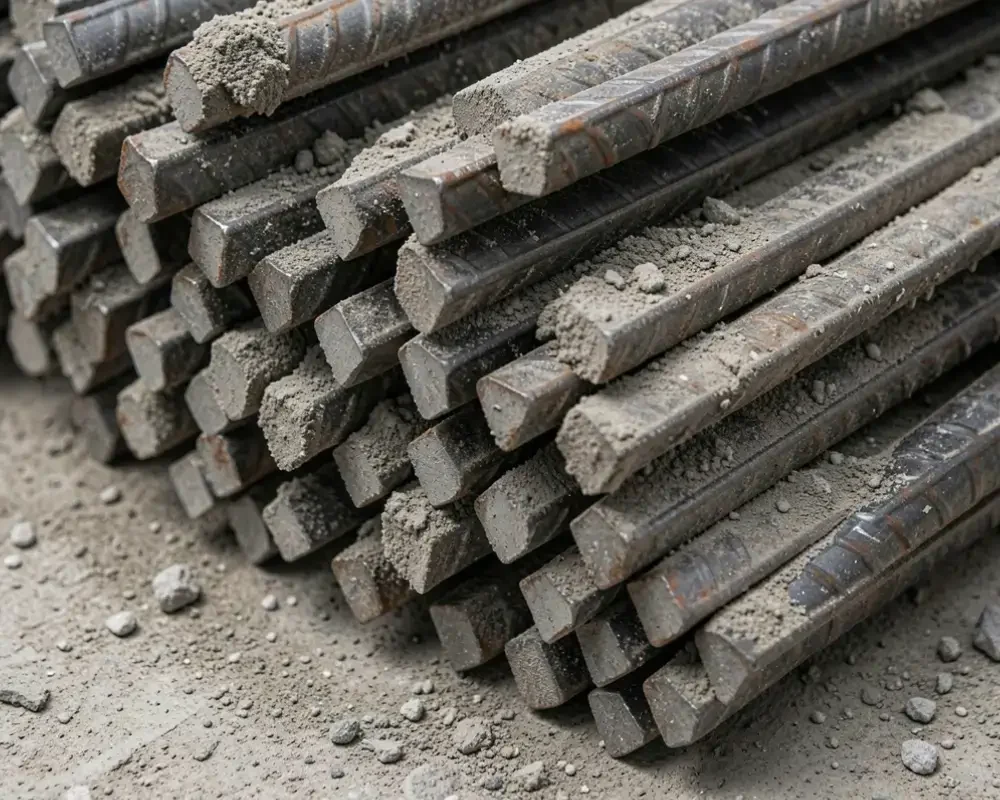
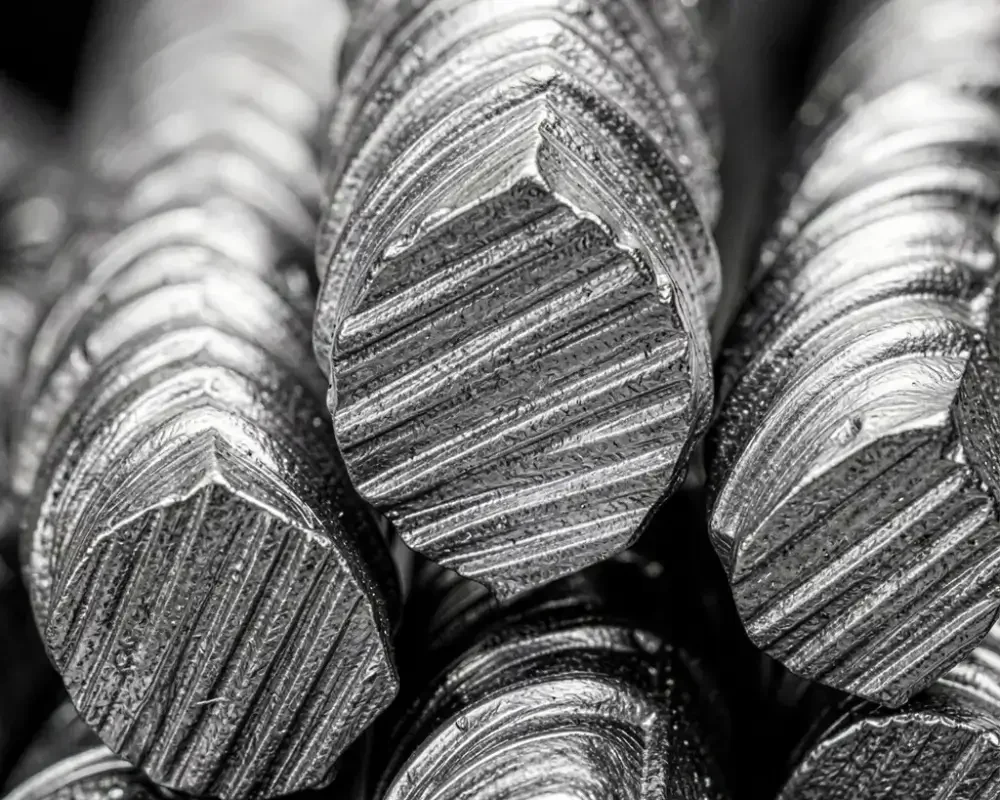
Thermo-Mechanically Treated (TMT) bars are high-strength steel reinforcement bars used in construction. Their popularity comes from:
Because TMT bars are standardized steel products, they fall under a specific GST classification, making taxation uniform across India.
As per the current GST framework continuing into 2026:
This rate applies uniformly across:
The GST on TMT bars is categorized under iron and steel products, ensuring consistency across manufacturers and suppliers nationwide.
TMT bars fall under HSN Code 7214, which covers:
Correct HSN classification ensures:
| Steel Product Type | HSN Code | GST Rate (%) | GST Applicability |
| TMT Bars & Rods | 7214 | 18% | Uniform across India |
| Mild Steel (MS) Bars | 7214 | 18% | Applicable on all sales |
| Steel Angles & Channels | 7216 | 18% | Interstate & intrastate |
| Structural Steel Sections | 7216 | 18% | GST invoice mandatory |
| Wire Rods & Coils | 7213 | 18% | Eligible for ITC |
Understanding GST rules helps both buyers and sellers stay compliant and avoid future disputes.
The introduction and stabilization of GST have reshaped the steel sector in several positive ways:
Uniform taxation has reduced grey-market sales and unaccounted transactions.
Interstate movement of steel is smoother without multiple local taxes.
Quality-focused manufacturers benefit as compliance becomes a trust signal.
Clear GST billing builds credibility for both dealers and brands.
While GST does not dictate base steel prices, it strongly influences purchase behavior:
In simple terms, GST has pushed the market toward quality, accountability, and trust.
| Myth | Reality |
| GST varies by state | GST is uniform across India |
| Local steel avoids GST | All legal sales attract GST |
| GST only affects builders | End consumers are equally impacted |
| Cheaper steel means savings | Quality & compliance matter more |
Even individual home builders should care about GST because:
Choosing a GST-compliant brand is a long-term safety investment, not just a paperwork formality.
Before purchasing, always check:
This small step ensures structural reliability and peace of mind.
What is the current TMT bar GST rate in India?
The GST rate on TMT bars in 2026 is 18%, applicable nationwide.
Has the GST on TMT bars changed recently?
No major changes have been announced. The rate remains stable under the GST framework.
Is GST applicable on all types of TMT bars?
Yes, all standard TMT reinforcement bars fall under the same GST slab.
Can builders claim input tax credit on TMT bars?
Yes, registered builders can claim ITC when used for taxable construction activities.
Does GST affect steel quality?
Indirectly, yes. GST promotes organized, compliant manufacturers, improving overall quality standards.
Should homeowners insist on GST bills?
Absolutely. A GST invoice ensures authenticity, compliance, and future protection.
For buyers in Kerala, choosing steel that suits coastal conditions is essential. High humidity and saline environments demand corrosion-resistant, high-ductility TMT bars.
Among trusted regional choices, Kenza TMT Bars are increasingly recognized for:
For homeowners and builders seeking dependable reinforcement steel, Kenza stands out as a credible option aligned with modern construction needs.
Also Read: https://kenzatmt.com/blog/load-bearing-requirements-of-tmt-bars-in-highway-and-flyover-construction/
Understanding the TMT bar GST rate in India for 2026 empowers buyers to make confident, compliant, and future-proof decisions. GST has transformed the steel industry by promoting transparency, trust, and quality benefits that directly impact structural safety.
Whether you are a homeowner, contractor, or developer, knowledge of GST rules combined with the right brand choice ensures that your construction stands strong for generations.