Building in South India presents unique challenges: high humidity, intense heat, coastal winds, and heavy monsoons. For builders and developers, one major decision defines project success: choosing between steel structure and RCC structure.
Both materials have distinct strengths. While steel structures promise flexibility, speed, and lightweight design, RCC structures offer cost efficiency and thermal comfort. But which is better for South India’s climate and long-term performance? Let’s explore this in detail.
A steel structure primarily uses TMT steels (Thermo Mechanically Treated bars) and fabricated steel frames for columns, beams, and trusses. These are widely used in factories, warehouses, shopping malls, and high-rise buildings.
Steel structures are pre-engineered and assembled quickly on-site, reducing construction time by nearly 40% compared to traditional methods.
South India’s warm, humid climate demands structures that resist corrosion and deformation. Quality TMT steel bars with anti-corrosive properties help maintain structural integrity, even in coastal regions like Chennai, Kochi, and Mangalore.
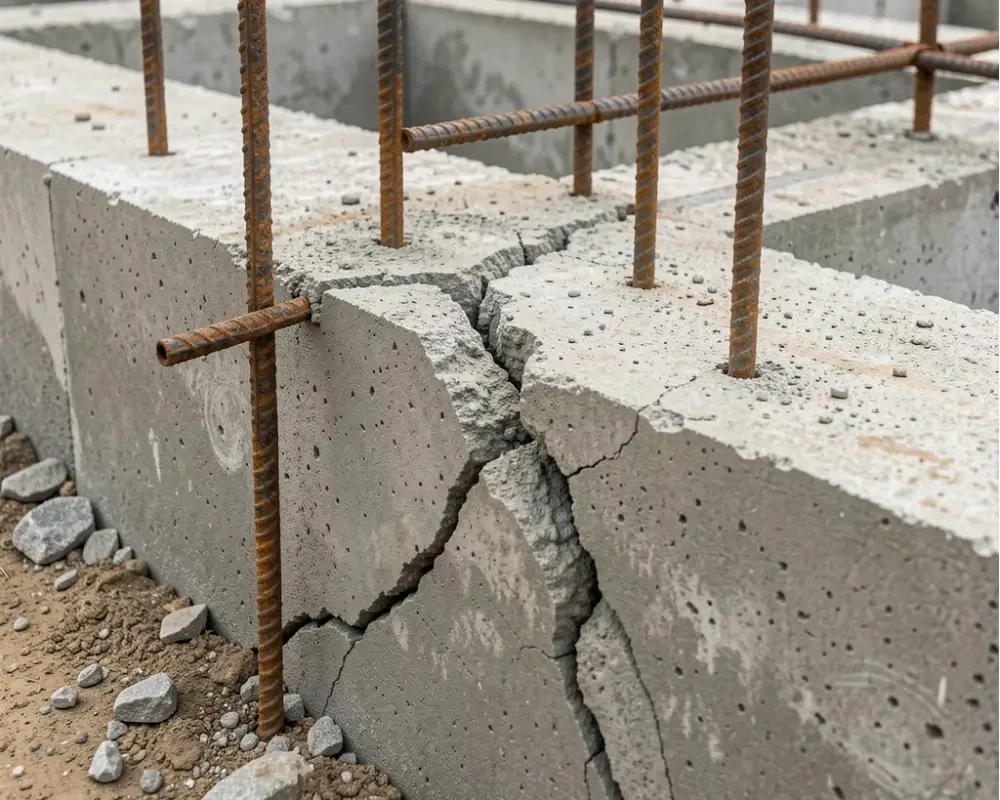
RCC (Reinforced Cement Concrete) combines cement, sand, aggregates, and steel reinforcement bars. It’s widely used for residential and commercial buildings due to its excellent compressive strength and cost efficiency.
RCC structures naturally provide better thermal insulation and are ideal for residential buildings in cities like Bengaluru, Coimbatore, and Hyderabad. They also offer soundproofing advantages, making them suitable for apartments and office spaces.
| Factor | Steel Structure | RCC Structure |
| Construction Time | Faster (Pre-engineered, modular) | Slower (Curing and formwork needed) |
| Strength-to-Weight Ratio | High | Moderate |
| Durability | Excellent with proper coating | Good but prone to cracks |
| Flexibility | High (Ideal for expansion) | Low |
| Maintenance | Requires corrosion checks | Needs periodic waterproofing |
| Environmental Impact | Recyclable material | High cement usage – less eco-friendly |
High-quality TMT steels provide exceptional tensile strength, bendability, and corrosion resistance. For South Indian builders, choosing the best TMT steel bars ensures long-lasting foundations and superior safety during monsoons and earthquakes.
Pre-engineered steel structures reduce project timelines significantly, ideal for commercial projects demanding quick handovers.
Builders can easily expand or modify layouts, saving future renovation costs.
With the right TMT steels withstand cyclonic winds and seismic shocks common in South India.
RCC construction materials — cement, sand, aggregates — are readily available locally, making RCC structures cost-effective.
Concrete absorbs heat slowly and reduces noise transmission — perfect for tropical climates.
From an ROI perspective, steel structures offer faster returns due to reduced construction time, while RCC offers lower upfront costs.
Read Also: https://kenzatmt.com/blog/steel-sourcing-strategies-every-contractor-needs-in-2026/
Both steel structures and RCC structures have their merits. For builders in South India, the decision should align with the project’s purpose, climate, and budget.
When paired with the best TMT steel bars, both options can deliver strength, longevity, and sustainability ensuring every structure stands strong for generations.