Highways and flyovers are the backbone of economic growth. They carry massive traffic loads every single day, heavy trucks, buses, high-speed vehicles, and sometimes even seismic forces. At the heart of this strength lies reinforcement steel, especially TMT bars. Understanding the load bearing requirements of TMT bars in highway and flyover construction is not just a technical necessity; it is a safety imperative.
When engineers select reinforcement, they don’t just look at cost. They evaluate TMT bar strength, compatibility with cement quality, environmental exposure, and long-term performance. The right choice directly affects service life, maintenance costs, and public safety. This article breaks down the essentials in a clear, practical, and decision-oriented way helping contractors, engineers, and project owners make confident choices.
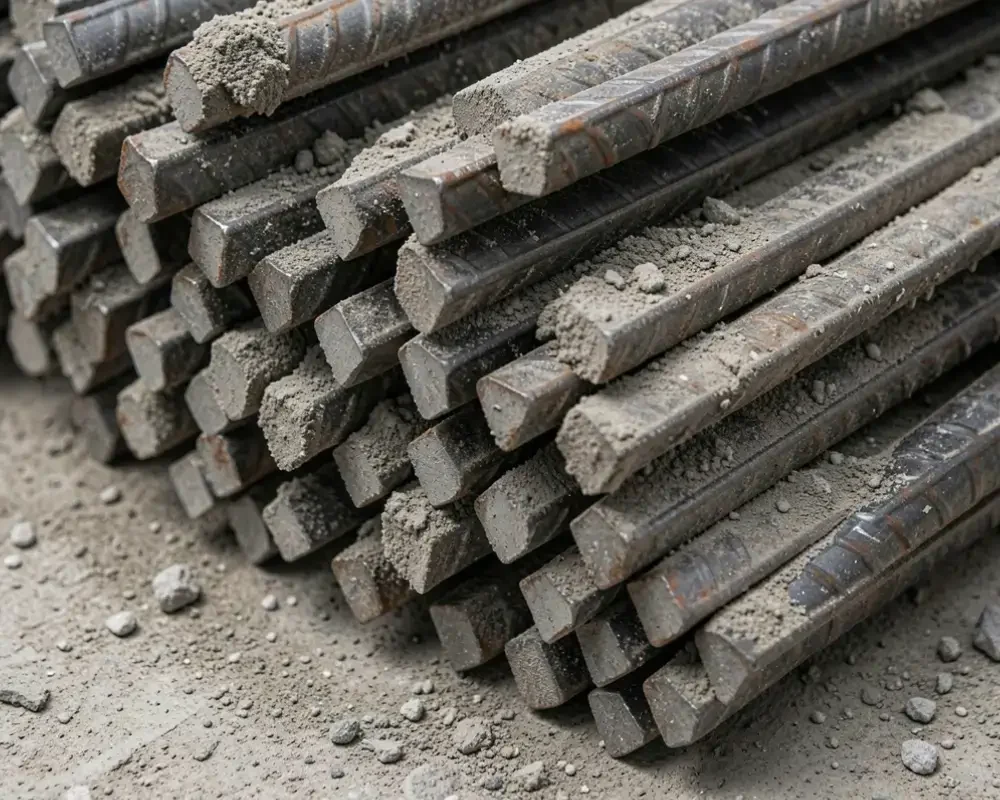
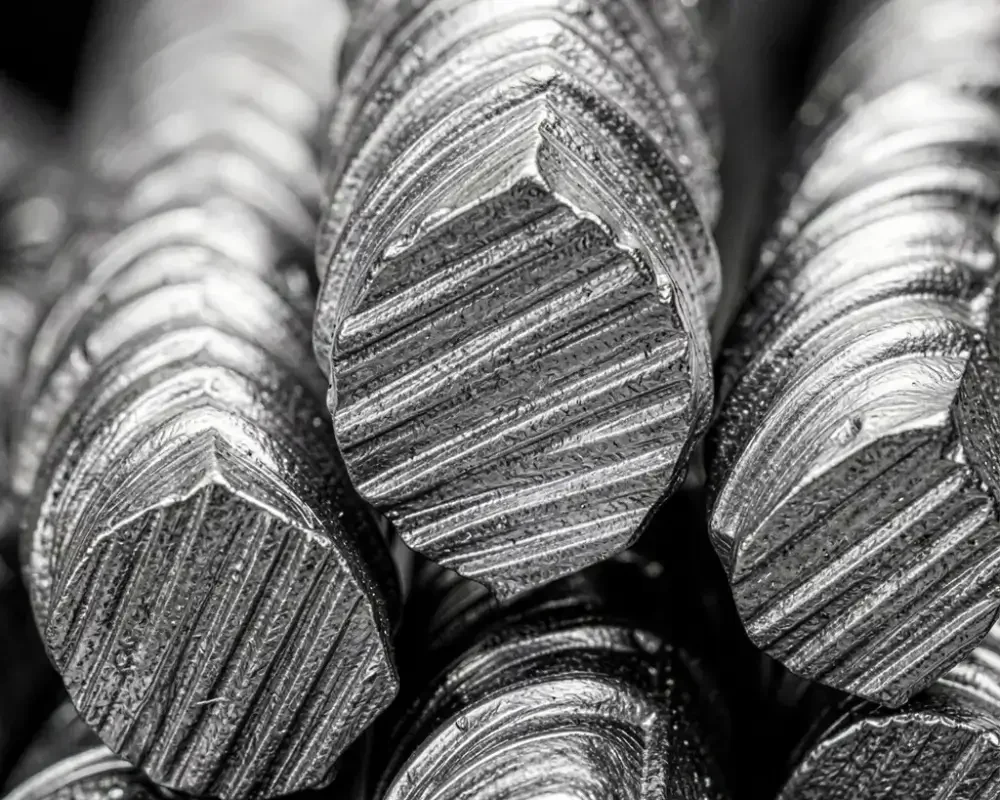
TMT (Thermo-Mechanically Treated) bars are high-strength reinforcement steels manufactured through a controlled heating and rapid cooling process. This gives them a tough outer layer and a ductile core an ideal combination for structures that must handle dynamic and static loads.
In highway and flyover construction, TMT bars are preferred because they offer:
These characteristics make TMT bars essential for bridges, piers, decks, abutments, and retaining structures where failure is not an option.
Load bearing requirements define how much stress a structure can safely carry without failure. In highways and flyovers, loads are complex and continuous.
Engineers calculate multiple load types before selecting reinforcement:
The strength of TMT bars must be sufficient to resist all these forces together, not in isolation.
TMT bar strength is measured in grades such as Fe 415, Fe 500, Fe 500D, and Fe 550. Each grade has a specific yield strength that determines where it should be used.
While high-grade bars offer greater strength, excessive rigidity can reduce ductility. For flyovers and highways, where flexibility under stress is crucial, balanced strength and elongation matter more than sheer numbers.
Best practice includes:
This balance ensures the structure bends before breaking, giving warning instead of sudden collapse.
Reinforcement alone cannot carry loads of concrete and steel work together. Poor cement quality can compromise even the strongest TMT bars.
High-quality cement ensures:
When cement quality is inconsistent, micro-cracks develop, exposing TMT bars to moisture and chemicals. Over time, this weakens load bearing capacity. That’s why engineers always evaluate reinforcement and cement as a combined system, not as separate materials.
Selecting the best TMT bars for construction depends on technical compliance, manufacturing standards, and project conditions.
Choosing the right TMT bar reduces lifecycle costs, minimizes repairs, and increases confidence in structural safety.
Ductility allows a structure to deform under stress without sudden failure. In flyovers, this property is critical during earthquakes, braking forces, and temperature movements.
TMT bars with high ductility:
This is why modern highway standards emphasize ductile grades rather than just higher tensile strength.
Highways and flyovers are exposed to rain, pollution, de-icing chemicals, and coastal air. Corrosion reduces cross-sectional area, directly lowering load bearing capacity.
Advanced TMT bars with controlled chemical composition and protective surface properties:
When paired with proper concrete cover and quality cement, corrosion risks drop significantly.
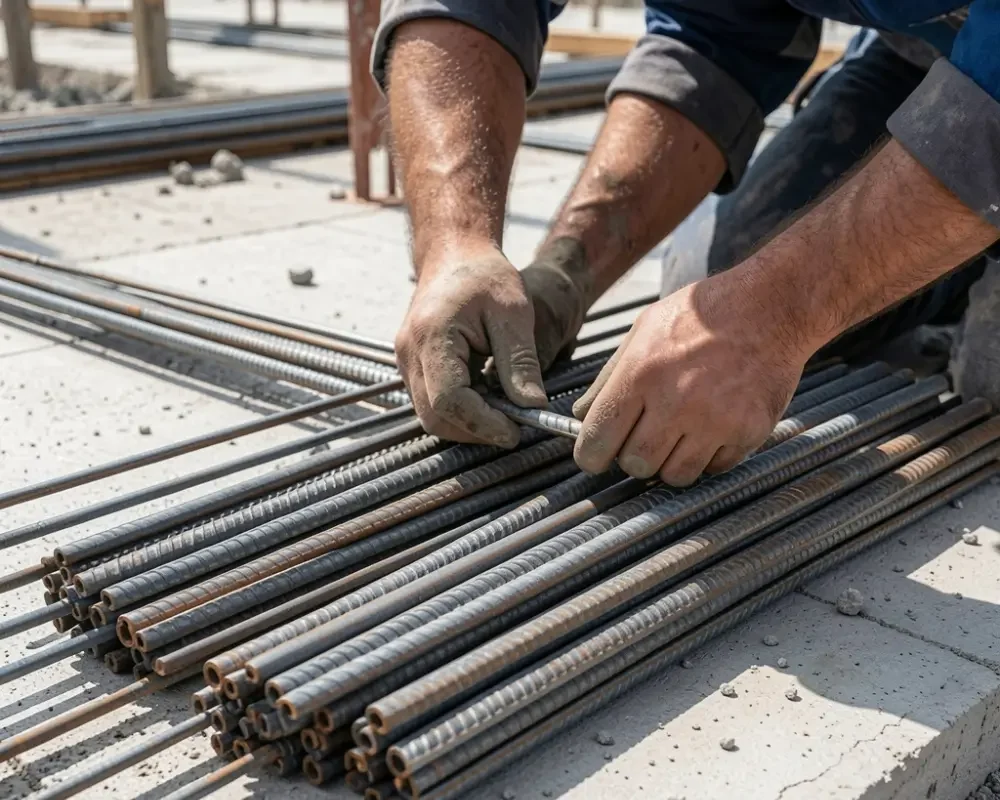
Even the best TMT bars for construction can fail if installation practices are poor.
Following design drawings and quality checks ensures the theoretical load bearing capacity is achieved in real-world conditions.
Before approval, TMT bars undergo rigorous testing:
These tests confirm whether the claimed strength of TMT bar aligns with actual performance.
High-quality reinforcement reduces material wastage and frequent repairs. Over the lifecycle of a highway or flyover, this leads to:
From a purchasing perspective, investing in quality upfront delivers measurable long-term returns.
1. Why is TMT bar strength critical in highway construction?
Because highways carry continuous heavy traffic, TMT bars must withstand repeated stress without fatigue or failure.
2. Which grade of TMT bar is best for flyovers?
Fe 500D or similar ductile grades are commonly preferred due to their balance of strength and flexibility.
3. How does cement quality affect load bearing capacity?
Good cement quality ensures strong bonding, crack resistance, and corrosion protection, directly supporting structural strength.
4. Are higher strength TMT bars always safer?
Not necessarily. Excessive strength without ductility can lead to brittle failure.
5. How long do TMT bars last in highway structures?
With proper cement quality, cover, and corrosion resistance, they can last several decades.
The load bearing requirements of TMT bars in highway and flyover construction go far beyond numbers on a test report. They involve a deep understanding of TMT bar strength, material behavior, construction practices, and cement quality. When these elements work together, the result is infrastructure that is safe, durable, and cost-effective.
For decision-makers, choosing the best TMT bars for construction is not just a technical choice, it’s a commitment to public safety and long-term value. Invest wisely, build responsibly, and create infrastructure that stands strong for generations.
For projects in Kerala and similar high-exposure regions, partnering with trusted manufacturers such as Kenza TMT Bars adds an extra layer of assurance. Their focus on strength, consistency, durability, and compliance with modern infrastructure standards makes them a preferred choice for engineers who prioritize safety, performance, and long-term structural integrity.