In regions where nature often tests human-made structures whether it’s earthquakes, floods, or cyclones, structural safety isn’t just a design goal; it’s a lifeline. Every bolt, beam, and bar contributes to how well a structure can withstand these unpredictable forces.
Across India, areas like the Himalayan foothills, coastal states, and floodplains are classified as high-risk construction zones. Here, the strength and flexibility of the materials used can determine whether a building survives or collapses. This is where TMT steel bars play a pivotal role.
Modern construction has moved far beyond traditional mild steel bars. Builders and engineers now rely on Thermo Mechanically Treated (TMT) bars for their unmatched strength, ductility, and resistance to natural wear and tear.
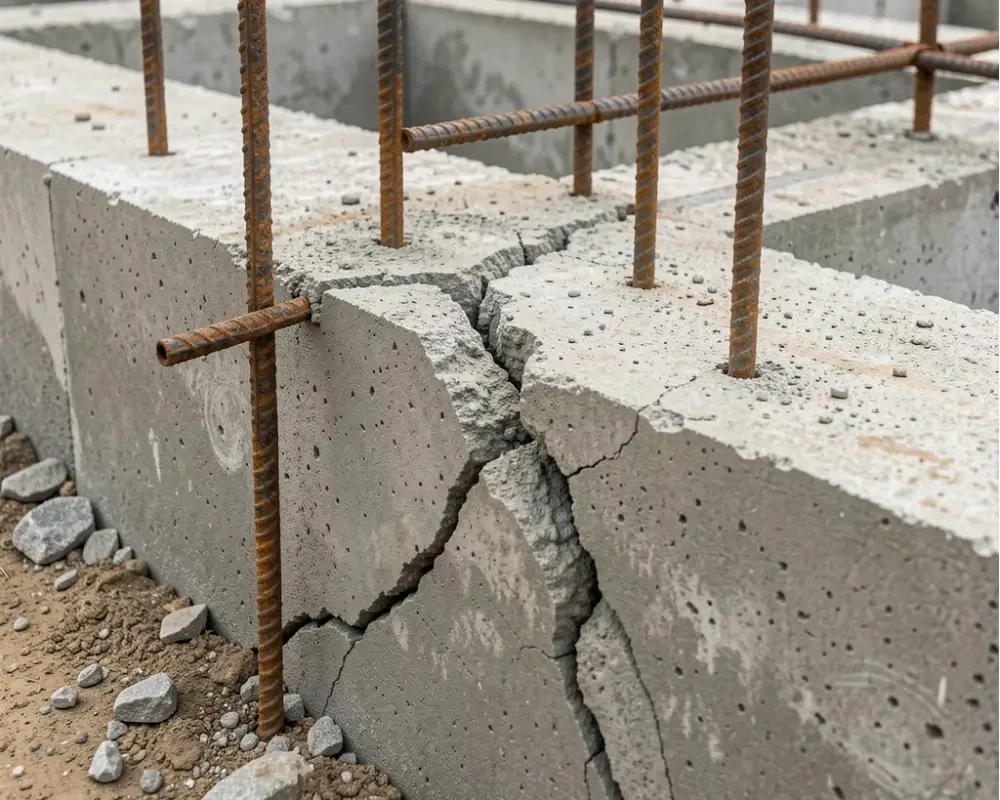
Building in disaster-prone regions presents a unique set of challenges:
TMT bars are engineered to counter all these challenges. Their microstructure created through controlled cooling and heat treatment provides both flexibility and endurance. That’s why they’ve become the standard for modern, disaster-resilient construction.
TMT stands for Thermo Mechanically Treated, referring to a specialized process that enhances the bar’s mechanical strength while retaining flexibility. This dual property allows TMT bars to absorb shock and stress without breaking ideal for structures exposed to seismic or wind forces.
The process involves three main steps:
This controlled treatment makes TMT bars superior to conventional steel in both performance and safety.
Each of these features directly contributes to TMT bar strength and the role of TMT bars in structural safety.
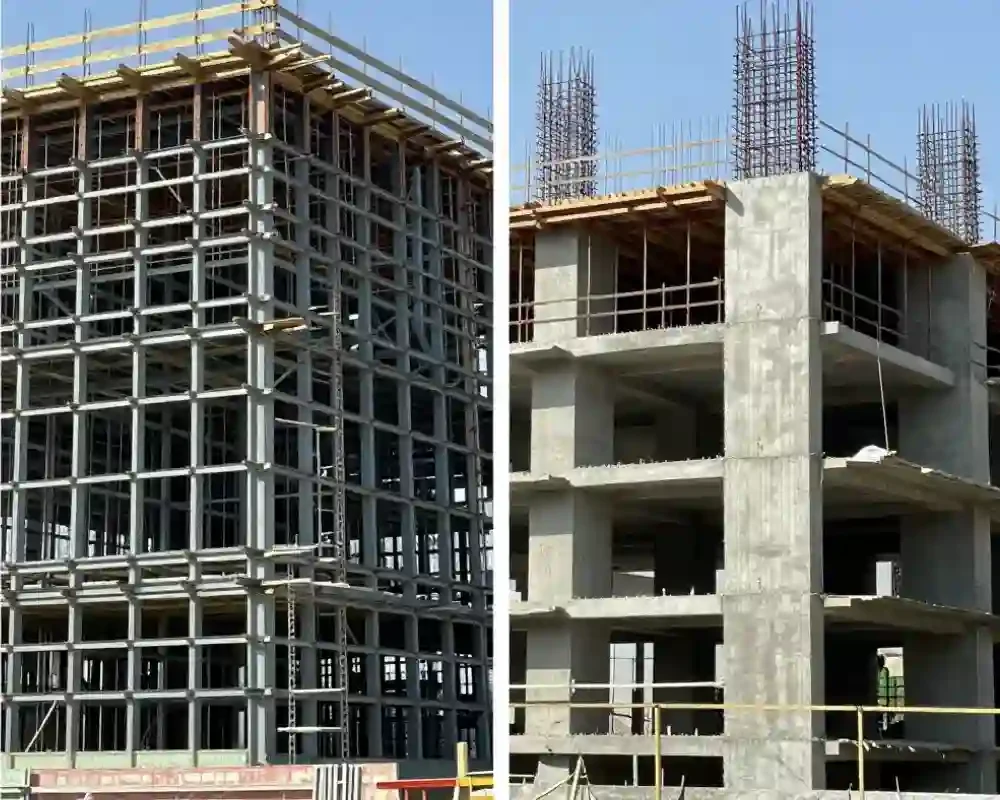
TMT bars are often called the “spine” of modern construction. Their superior tensile strength and flexibility make them indispensable for buildings that must endure nature’s extremes.
During an earthquake, the ability to absorb and redistribute stress determines a building’s survival. TMT bars’ ductile nature allows them to bend under pressure without snapping, reducing the risk of structural collapse.
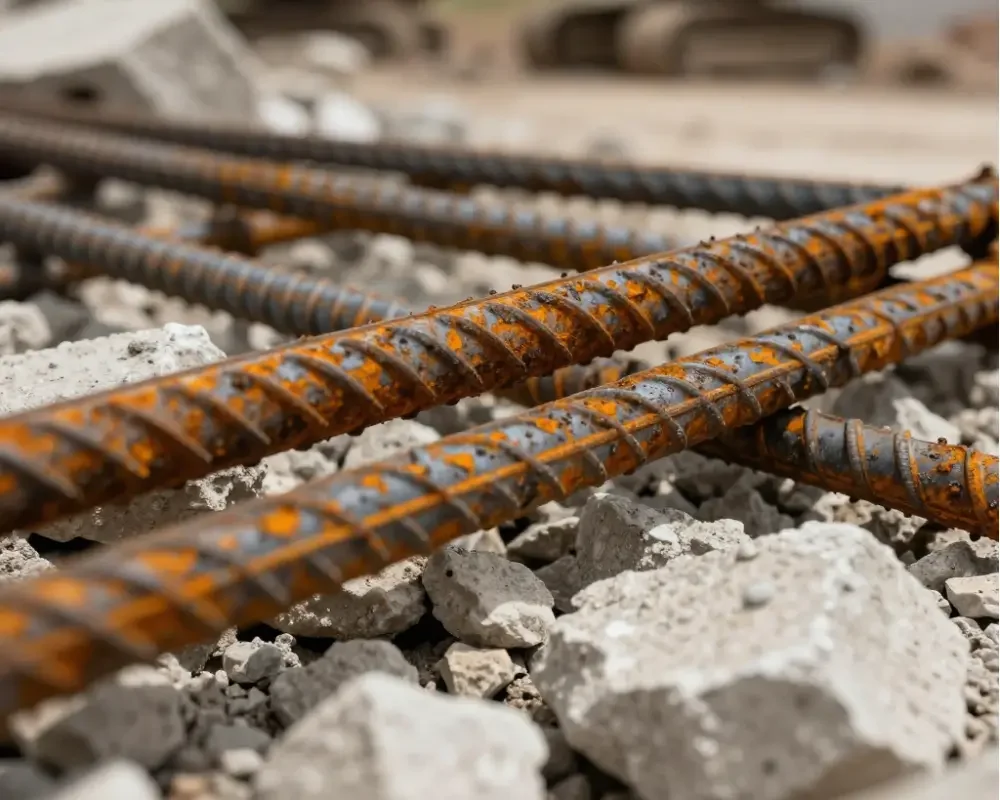
In regions like Chennai, Goa, or Kolkata, where high humidity and salinity are common, TMT bars resist rust formation, maintaining their strength over decades.
In the unfortunate event of a fire, TMT bars can retain up to 80% of their strength at 500°C, offering precious time for evacuation and minimizing damage.
| Feature | TMT Bars | Conventional Steel Bars |
| Tensile Strength | High | Moderate |
| Ductility | Excellent | Low |
| Corrosion Resistance | Superior | Poor |
| Earthquake Resistance | High | Low |
| Lifespan | 50+ years | 20–30 years |
Verdict: For disaster-prone construction zones, TMT bars are the clear choice for safety, longevity, and performance.
To ensure reliability, TMT bars must meet the BIS standard IS 1786:2008. This certification guarantees strength, ductility, and corrosion resistance benchmarks. Always verify these standards before purchasing for large scale projects.
In 2001, Gujarat faced one of the most devastating earthquakes in Indian history. Yet, many buildings constructed with high grade TMT bars stood firm, protecting lives. Similar stories emerged after Cyclone Fani in Odisha, proving that TMT bar strength directly translates to human safety.
Beyond safety, TMT bars also support sustainable development. They’re recyclable, energy efficient to produce, and reduce the carbon footprint of modern infrastructure.
In disaster prone areas, TMT steel bars are more than just construction materials; they’re silent protectors. Their strength, flexibility, and endurance form the backbone of buildings designed to safeguard lives and investments.
As we step into a future of unpredictable climates and increasing natural challenges, choosing TMT bars isn’t just a construction decision, it’s a commitment to resilience and safety.