Selecting the right roofing system is not just about today’s budget. It is about how the structure performs for the next 30, 40, or even 70 years. Many homeowners focus only on initial expenses and ignore structural life, maintenance burden, thermal comfort, and resale value. That is a mistake.
Two of the most common roofing systems in residential and commercial construction are concrete slab roofs (RCC roofs) and metal roofs. Both are widely used. Both can work well. But they are not equal in performance, long-term durability, or structural strength.
If you are planning construction and asking yourself which steel is best for construction or how roofing impacts long-term cost, this detailed comparison will give you clarity.
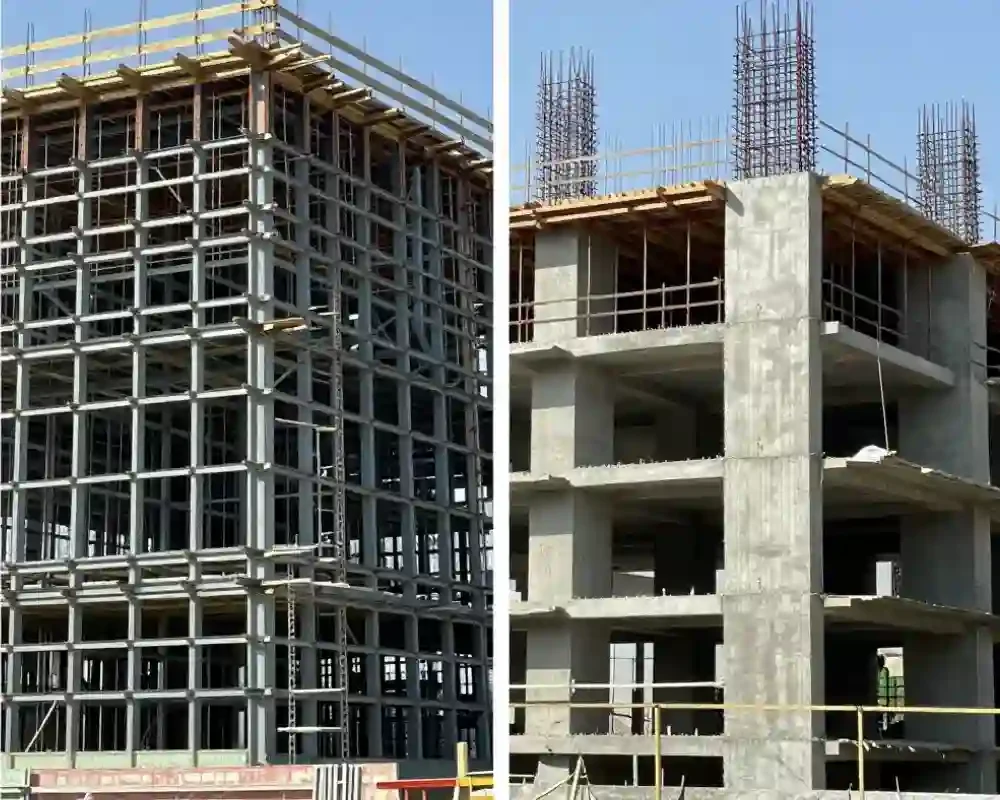
A concrete slab roof, commonly called an RCC (Reinforced Cement Concrete) roof, is created by pouring a mixture of cement, sand, aggregates, and water over a reinforcement framework made of steel bars. These reinforcement bars are usually high-grade steel bars that provide tensile strength to the slab.
Concrete is strong in compression but weak in tension. Steel is strong in tension. When combined correctly, they form a durable structural system capable of handling load, weather stress, and long-term usage. This is why the choice of reinforcement matters. Using the best TMT Steel bars is not a marketing decision. It is a structural decision.
A properly constructed RCC roof can last 50 to 70 years, and in many cases even longer. Its life depends on structural design, curing quality, waterproofing treatment, and especially the quality of steel reinforcement.
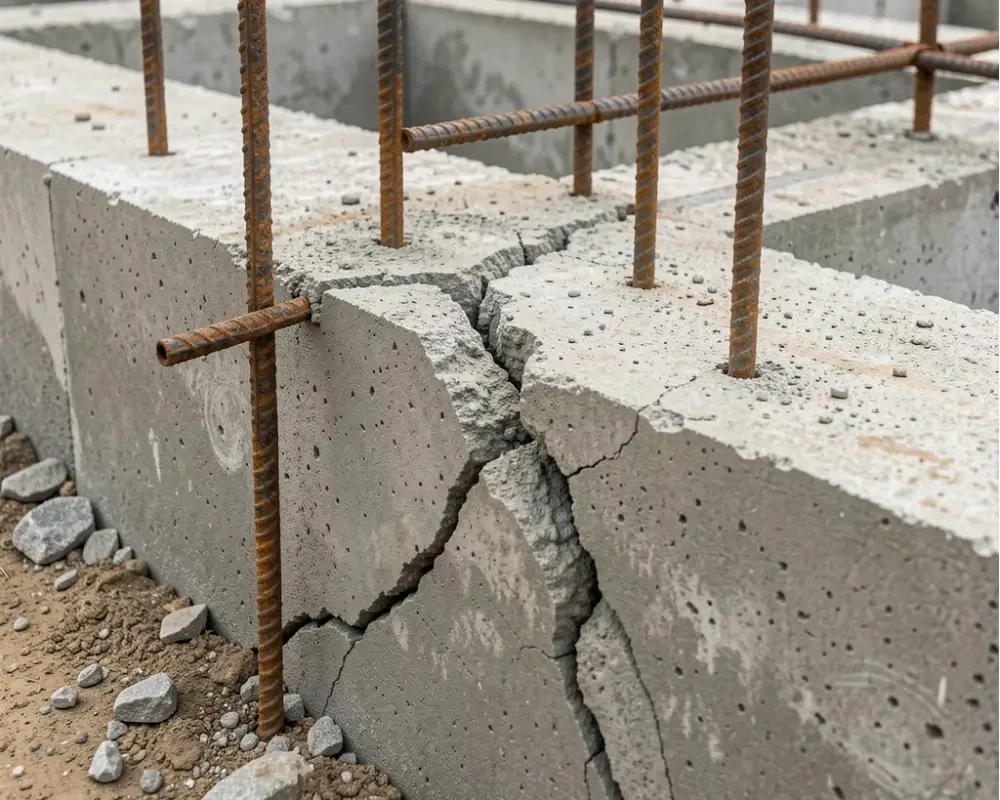
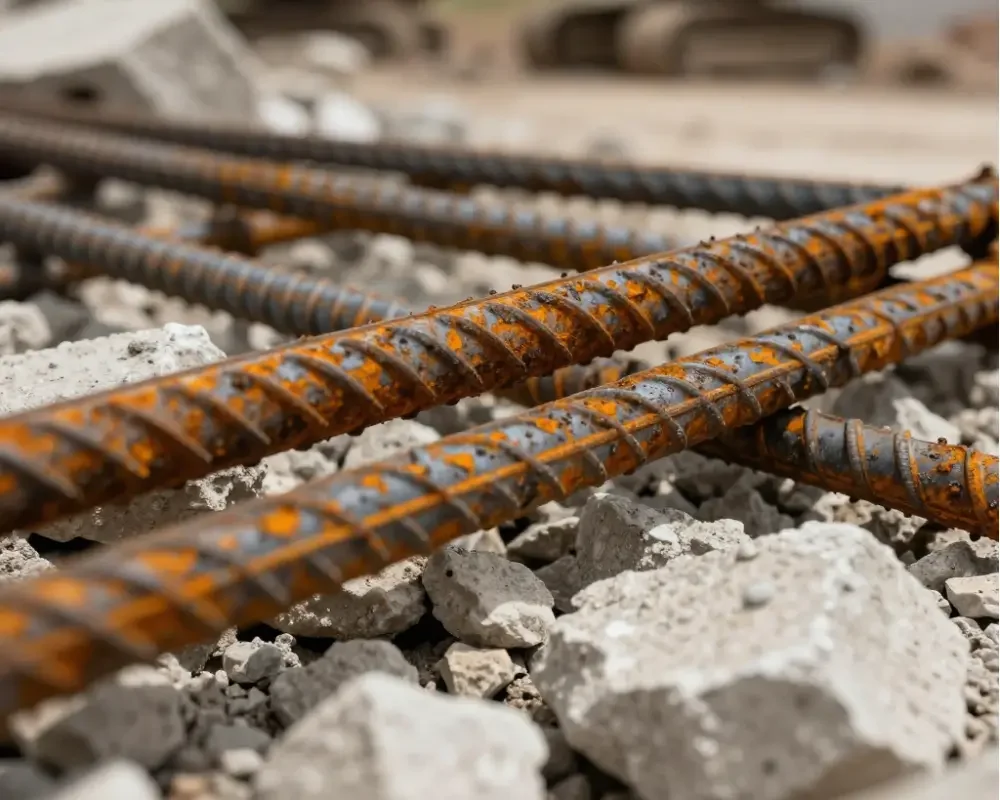
If low-grade steel is used, corrosion begins internally. Over time, expansion of rust causes cracks in the concrete. These cracks allow water penetration, which accelerates structural damage. Once that cycle starts, repair costs increase significantly. When you choose a reliable and certified TMT steel manufacturer, you reduce the risk of internal corrosion, improve bonding strength, and enhance ductility. High-ductility steel performs better during temperature variation and even seismic movement.
If you are seriously evaluating which steel is best for construction, prioritize ductility grade (like Fe500D or Fe550D), corrosion resistance, and consistent manufacturing standards. Roofing is not the area where experimentation is wise.
The upfront cost of a concrete slab roof is undeniably higher compared to metal roofing. You must invest in steel reinforcement, cement, aggregates, shuttering, skilled labor, and curing time.
However, looking only at the initial cost is shortsighted. A concrete slab allows terrace usage, water tank installation, solar panel mounting, and future vertical expansion. These benefits increase property value and functional flexibility.
Maintenance is relatively low if construction is done properly. Occasional waterproofing treatment every few years is usually sufficient. Structural replacement is rarely needed. When evaluating cost, think in 30-year terms, not 3-year terms.
A metal roof consists of galvanized steel sheets, aluminum panels, or color-coated metal sheets fixed onto a supporting framework. Installation is significantly faster compared to RCC roofing because there is no curing time.
Metal roofs are widely used in industrial buildings, warehouses, temporary structures, and increasingly in modern architectural homes. They are lightweight, require less structural foundation support, and reduce overall construction time.
Metal roofs typically last 25 to 40 years depending on material thickness, coating quality, and environmental exposure. In coastal regions, corrosion risk increases significantly if protective coating quality is poor.
While manufacturers advertise long life spans, practical durability depends heavily on maintenance. Periodic repainting, rust inspection, screw tightening, and occasional sheet replacement are common.
Unlike RCC slabs, metal roofs do not provide structural load-bearing capability. They are coverings, not structural slabs. Noise during rainfall and heat absorption during summer are common concerns. Insulation can reduce these issues, but that adds cost.
Thermal behavior is a major difference between these two roofing systems. Concrete slabs have high thermal mass. They absorb heat slowly and release it gradually. This results in relatively stable indoor temperature, especially when combined with proper waterproofing and insulation treatment.
Metal sheets heat up quickly under direct sunlight. Without insulation, indoor temperature can rise significantly. In hot regions, this can increase electricity consumption due to air conditioning demand. So if energy efficiency matters to you, do not ignore thermal performance while comparing cost.
This is where the gap becomes clear. Concrete slab roofs are structural elements. They distribute loads evenly across beams and columns. They support additional floors, rooftop equipment, solar installations, and heavy water tanks. Metal roofs cannot support comparable loads without additional structural systems.
The strength of a concrete slab directly depends on reinforcement quality. This is why choosing the TMT Steel bars from a reputed manufacturer is critical. A trusted TMT steel manufacturer ensures proper chemical composition, consistent rib design, and superior bonding with concrete. If you compromise on reinforcement, you compromise on safety.
Metal roofing is cheaper initially. That is true. But over 30 years, factor in insulation, repainting, rust repair, sheet replacement, and structural frame maintenance. The savings reduce significantly. Concrete slab roofing demands higher initial investment but lower recurring structural maintenance. Waterproofing treatment every few years is manageable and predictable.
When calculated over a long duration, the cost difference narrows. Short-term thinking favors metal. Long-term asset planning favors RCC.
One major advantage of concrete slab roofing is vertical expansion. If your future plan includes adding another floor, RCC roofing makes it structurally possible.
Metal roofs do not support such flexibility unless major reconstruction is done. In growing families or expanding businesses, this factor alone can justify the higher initial cost of RCC roofing.
In heavy rainfall regions, both systems can perform well if installed correctly. However, poor installation quality causes leakage in metal roofs more frequently due to joint failure.
In extremely hot climates, concrete performs better in terms of indoor comfort.
In coastal regions, corrosion protection becomes critical for both steel reinforcement in RCC and metal sheets. That again highlights the importance of choosing certified steel and reliable materials.
Below is a focused comparison table highlighting only the most important decision factors:
| Key Factor | Concrete Slab Roof (RCC) | Metal Roof |
| Durability | A structure can last 50–70+ years when constructed using high-quality TMT steel bars from a trusted and reliable manufacturer. | 25–40 years depending on sheet quality and maintenance. |
| Structural Strength | High load-bearing capacity. Supports future floors, water tanks, and solar systems. | Limited load capacity. Not suitable for vertical expansion. |
| Initial Cost | Higher upfront investment due to concrete and steel reinforcement. | Lower upfront cost and faster installation. |
| Maintenance | Low maintenance if waterproofing is done properly. | Requires periodic rust treatment, repainting, and inspection. |
| Thermal Comfort | Better heat control due to concrete’s thermal mass. | Heats up quickly; insulation required in hot climates. |
| Long-Term Value | Strong long-term investment with better resale value. | Budget-friendly short-term solution but higher lifecycle maintenance. |
Choose Concrete Slab Roof if:
Choose Metal Roof if:
If your focus is lifetime performance, invest in the right materials. Work only with a certified and reputed best TMT steel Suppliers. Structural integrity begins with reinforcement quality.
Cutting cost on steel is a gamble. And structural mistakes are expensive to fix.
Concrete slab roofs are built for permanence. Metal roofs are built for efficiency and speed. Neither option is universally wrong. But they serve different purposes. For a permanent residential building where safety, durability, and resale value matter, reinforced concrete using the best TMT Steel bars remains the stronger long-term investment. Build based on lifecycle value, not just initial price. Structural decisions should be made with logic, not short-term savings mindset.