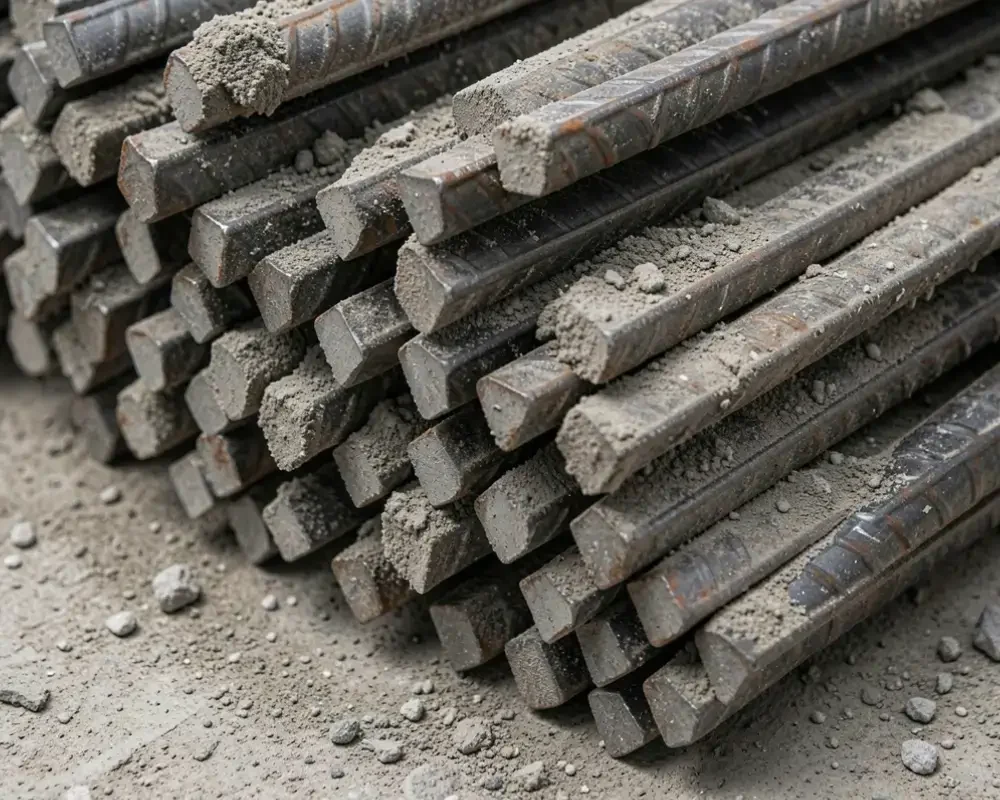
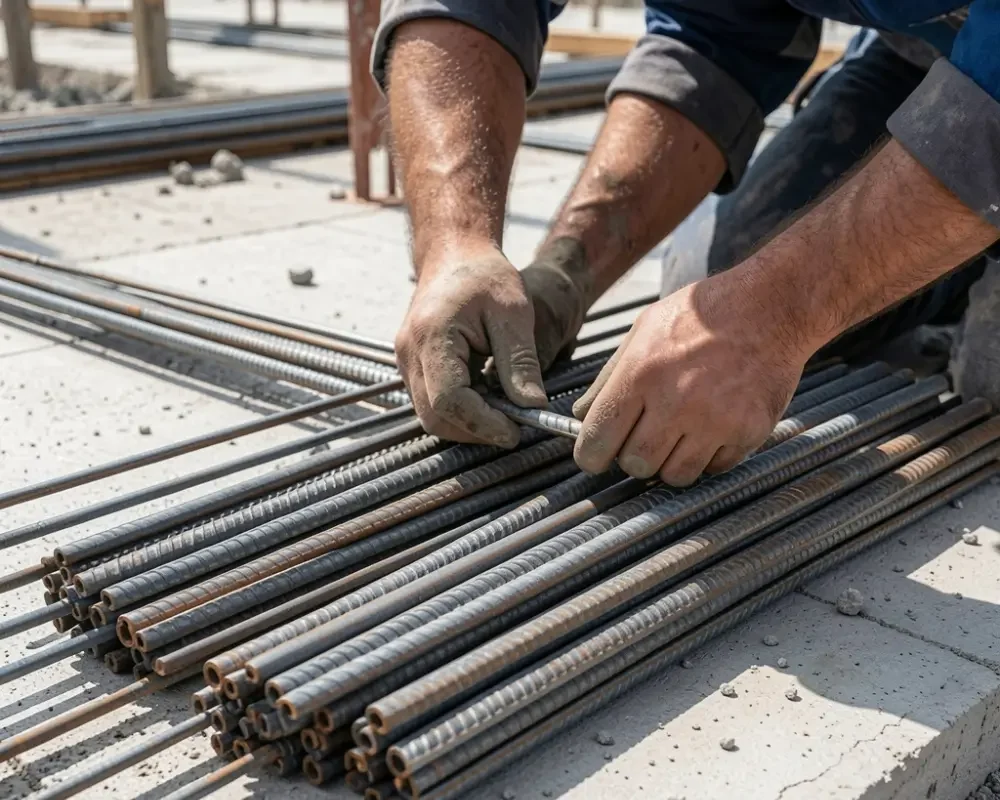
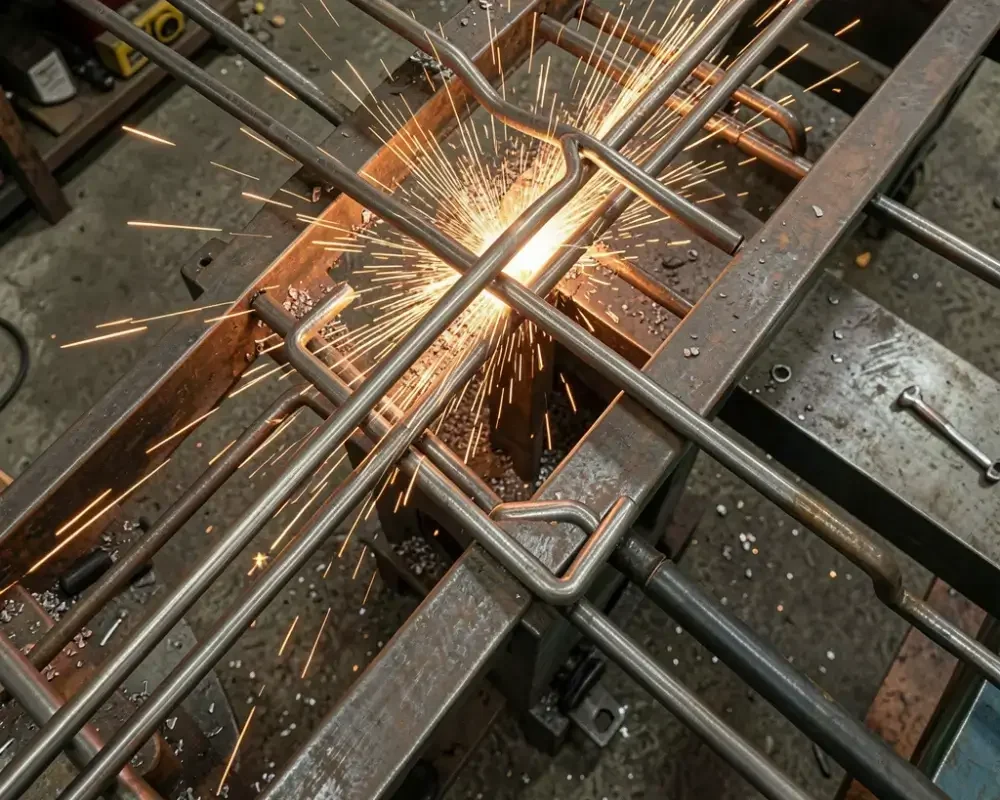
Steel beams form the backbone of modern infrastructure. From residential homes to massive industrial complexes, the types of steel beams used in construction directly influence structural integrity, safety, and longevity. Choosing the right beam is not just an engineering decision, it’s a financial and safety commitment.
In today’s fast-paced building industry, steel is preferred because of its unmatched strength-to-weight ratio, durability, and adaptability. Whether you’re planning a high-rise building or a simple warehouse, understanding steel beams used in construction ensures smarter decisions and long-term performance.
Steel beams are essential in the construction of beams because they provide exceptional load-bearing capacity while minimizing material usage. Compared to concrete or wood, steel offers:
These advantages make steel beams used in construction ideal for both structural and economic efficiency.
Steel beams are designed to resist bending, shear, and torsional forces. Their shape plays a critical role in how loads are distributed. Engineers select beam types based on span length, load requirements, and architectural constraints.
Now, let’s explore the 6 types of steel beams used in construction and how each serves a unique purpose.
I-beams are named for their “I” shaped cross-section. This design efficiently handles bending forces while using less steel.
I-beams are widely used in construction of beams where long spans and heavy loads are involved.
H-beams have wider flanges and thicker webs than I-beams, offering superior strength.
When maximum stability is required, H-beams outperform most steel beams used in construction.
T-beams are often formed by cutting I-beams and are excellent for handling compressive loads.
They are cost-effective solutions in specific construction of beam scenarios.
C-beams have an open channel shape that allows flexibility in framing and connections.
C-beams are lightweight yet reliable steel beams used in construction projects.
Angle beams provide excellent support at corners and edges.
They enhance structural rigidity without excessive material use.
Box beams distribute stress evenly and resist twisting better than open sections.
Their clean appearance makes them ideal for exposed steel designs.
| Beam Type | Strength | Weight | Best Use |
| I-Beam | High | Medium | Long spans |
| H-Beam | Very High | Heavy | Columns & foundations |
| T-Beam | Medium | Light | Slabs & roofs |
| C-Beam | Medium | Light | Framing |
| Angle Beam | Low–Medium | Light | Bracing |
| Box Beam | Very High | Medium | Architectural & torsional loads |
Choosing among different types of steel beams used in construction depends on:
Consulting a structural engineer ensures safety and compliance with building codes.
Steel beams offer excellent return on investment. They are recyclable, durable, and adaptable to future modifications. Sustainable construction increasingly favors steel due to its reduced environmental impact and long lifecycle.
Read Also: https://kenzatmt.com/blog/tmt-bar-gst-rate-in-india-2026-latest-rates-rules-impact-on-steel-prices/
Understanding the types of steel beams used in construction empowers builders, architects, and investors to make informed decisions. Each beam type serves a unique structural role, and selecting the right one ensures safety, efficiency, and long-term value.
When chosen wisely, steel beams used in construction become the foundation of resilient, future-ready structures.