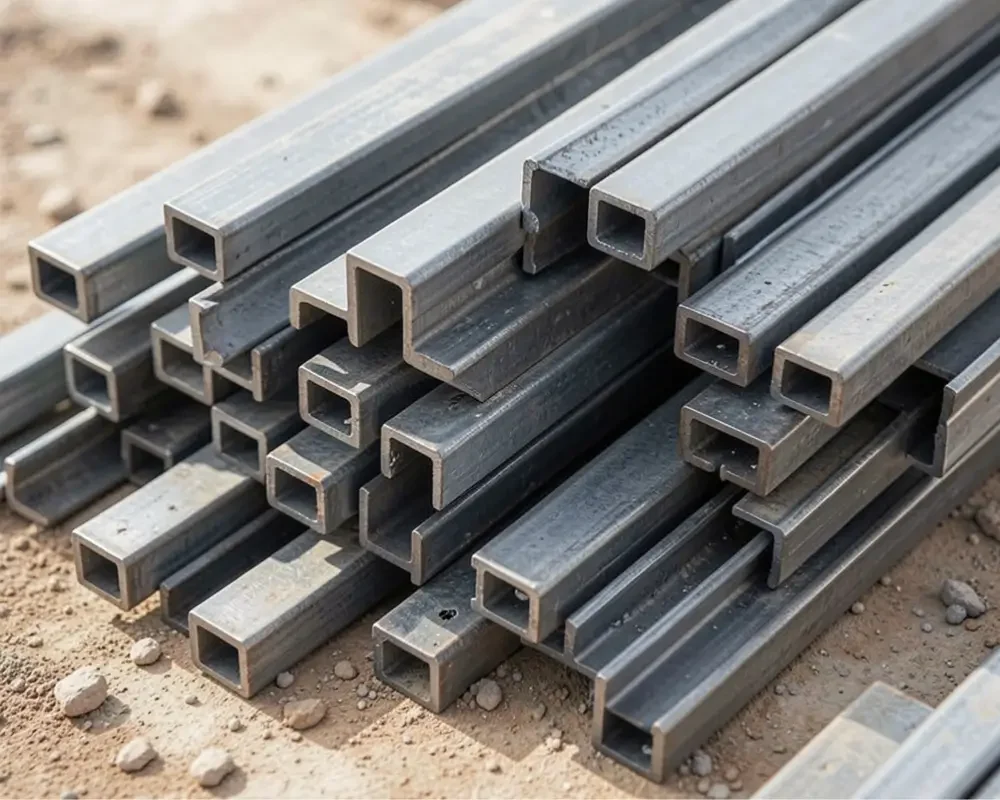
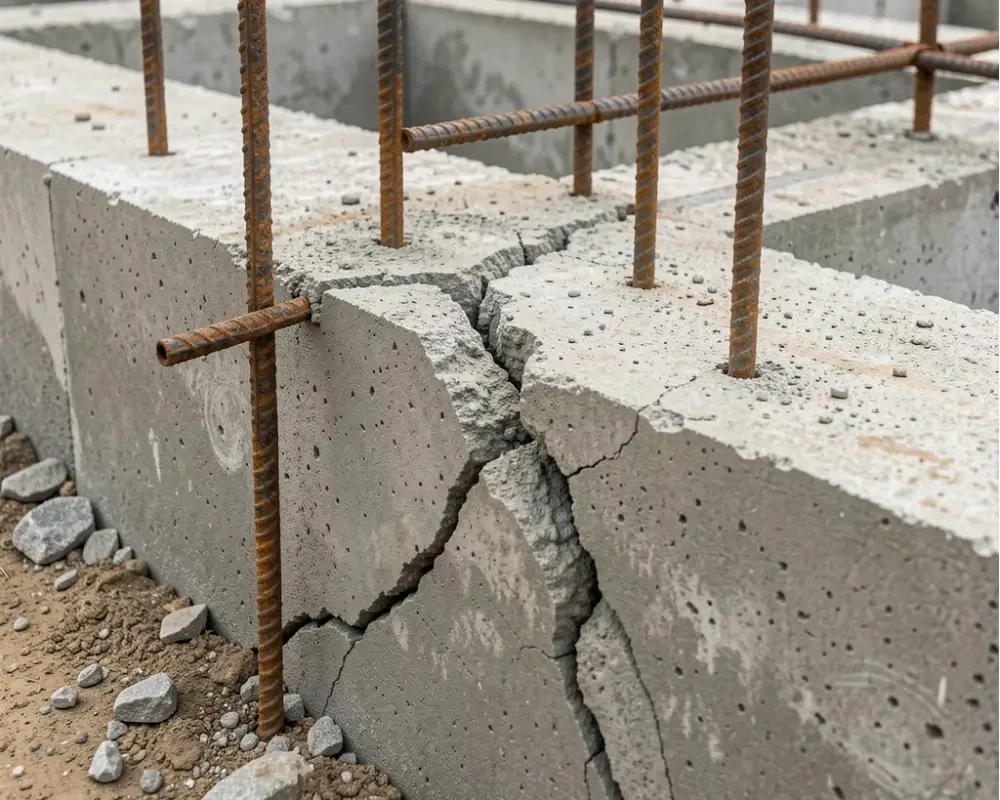
Steel reinforcement bars play a critical role in holding concrete structures together. While concrete handles compression well, steel bars manage tension, bending, and dynamic loads. If the steel quality is compromised, the entire structure becomes vulnerable no matter how strong the design looks on paper.
This is why steel bar testing is mandatory in quality-driven construction. These tests ensure that steel bars can perform reliably under load, environmental stress, and long-term usage. Builders, engineers, and project owners who prioritize tested steel significantly reduce structural risks and maintenance costs.
TMT (Thermo-Mechanically Treated) steel bars are designed to provide a balanced combination of strength, flexibility, and corrosion resistance. However, these properties must be verified through systematic testing rather than assumed.
The best TMT steel manufacturer conducts multiple quality checks to ensure:
Only bars that pass these evaluations are considered suitable for critical structural applications.
Steel bar tests are generally categorized into three groups:
Together, these tests provide a complete picture of steel quality and performance.
The tensile strength test measures how much pulling force a steel bar can withstand before failure. It determines yield strength, ultimate tensile strength, and elongation.
This test ensures that steel bars can carry structural loads safely without sudden breakage. High tensile performance is a defining feature of the best tmt steel bars used in modern construction.
The bend test evaluates ductility by bending the steel bar around a fixed diameter. A quality steel bar bends smoothly without surface cracks or fractures.
This flexibility is crucial during earthquakes, thermal expansion, and load redistribution in reinforced concrete structures.
In the re-bend test, a previously bent bar is reheated and bent back to its original position. This test confirms whether the steel retains flexibility after thermal and mechanical stress.
Re-bend testing is especially important for structures in seismic zones, where steel must absorb repeated stress without failure.
This test examines the percentage of elements such as carbon, sulfur, phosphorus, and manganese in the steel.
Even small deviations in chemical composition can affect strength, corrosion resistance, and weldability. Controlled composition is a key indicator of steel produced by the best TMT steel manufacturer.
Yield strength indicates the stress level at which steel begins permanent deformation. Steel with higher yield strength provides better load resistance and structural safety.
This test ensures that steel bars will not deform excessively under normal service loads.
Elongation measures how much a steel bar stretches before breaking. Higher elongation values indicate better ductility and warning behavior.
Steel that elongates before failure allows visible deformation, giving engineers time to identify and address potential risks.
The impact test evaluates how steel performs under sudden or shock loads. It is particularly relevant for structures exposed to dynamic forces such as traffic loads, machinery vibrations, or seismic activity.
Steel that performs well in impact testing offers greater safety under unpredictable conditions.
Hardness testing measures resistance to surface wear and indentation. It helps assess whether the steel can withstand abrasion during handling, construction, and long-term use.
Balanced hardness ensures durability without making the steel brittle.
Fatigue testing simulates repeated loading and unloading over time. Steel bars in bridges, flyovers, and high-rise buildings must endure millions of stress cycles without cracking.
This test confirms long-term reliability and structural endurance.
Non-destructive testing methods such as ultrasonic and magnetic testing identify internal cracks, voids, and inclusions without damaging the steel bar.
These advanced steel bar testing methods ensure internal integrity, which cannot be verified through visual inspection alone.
High-quality steel is not defined by appearance or price, it is defined by performance. Manufacturers that consistently test their products deliver steel that:
This testing discipline separates ordinary steel from truly dependable reinforcement material.
Also Read: https://kenzatmt.com/blog/6-types-of-steel-beams-used-in-construction/
Steel bar testing is not an optional step; it is the backbone of structural safety. Understanding these effective types of steel bar tests allows builders and buyers to make informed decisions. Choosing steel that has passed rigorous testing ensures stronger structures, longer service life, and greater peace of mind.